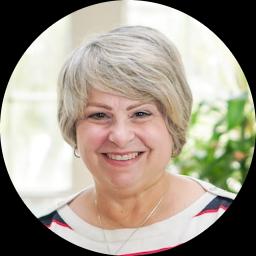
About Elida
Elida Segrera is a licensed marriage and family therapist who brings 15 years of experience to sessions. She works in Florida and speaks both English and Spanish. Elida focuses on helping people cope with anxiety, stress, relationship struggles, grief, and life changes.
She takes a warm, interactive approach in sessions. Elida listens first, then helps people set realistic goals. She uses straightforward tools to improve communication, reduce worry, and rebuild confidence.
Background and approach
Her work often centers on relationships and parenting challenges. She also supports people facing career strain, chronic illness, fertility concerns, and aging-related questions. People come to her for help with anger, shame, isolation, and the fallout from separation or infidelity.
Elida blends several approaches to fit each person’s needs. She draws on client-centered principles to create a respectful space. Cognitive behavioral techniques help people spot and change unhelpful thoughts and behaviors.
Narrative and solution-focused methods are used to identify strengths and small steps forward. Sessions can be a mix of practical skill-building and reflective conversation. Elida aims to give tools that can be used between meetings.
Over time she helps people make changes that feel manageable and meaningful.
Therapeutic approaches for online anxiety and relationship work
Client-Centered Therapy focuses on creating a respectful, nonjudgmental space where the person leads the conversation. It helps people feel heard and understood while deciding what matters most to them.Cognitive Behavioral Therapy, or CBT, teaches people to recognize unhelpful thoughts and test them with small behavioral experiments. This method is often useful for anxiety, low mood, and stress because it targets current patterns that keep problems going.
The Gottman Method concentrates on practical relationship skills. It emphasizes improving communication, managing conflict, and rebuilding trust through focused exercises and shared goals.
Finding the right approach is part of the work together. The therapist will discuss your goals, preferences, and what feels useful, then recommend methods to try. That shared decision-making means the plan can shift as progress is made.
Online sessions can be scheduled as video calls, phone conversations, live chat, or text-based messaging. Video is helpful for face-to-face interaction and longer therapy work. Phone sessions need less bandwidth and can fit into a work break. Live chat and text messaging offer short check-ins, quick skill practice, or support between meetings. These options make therapy more flexible and easier to fit into a busy life.
Questions people ask
What concerns does this therapist commonly address?
What is the general style of therapy offered?
How much clinical experience does the therapist have?
What are her credentials and location?
Which languages are supported for sessions?
What formats are available for meeting online?
How does pricing work?
How do I begin working with this therapist?
What this therapist works with
Most often
- Relationship issues
- Grief
- Intimacy-related issues
Also listed
- Aging and geriatric issues
- Anger management
- Blended family issues
- Career difficulties
- Chronic pain, illness, and disability
- Commitment issues
- Communication problems
- Compassion fatigue
- Control issues
- Coping with life changes
- Depression
- Divorce and separation
- Family conflicts
- Family of origin issues
- Family problems
- Fertility issues
- Guilt and shame
- Immigration issues
- Infidelity
- Isolation / loneliness
- Jealousy
- Life purpose
- Midlife crisis
- Mood disorders
- Multicultural concerns
- Parenting issues
- Postpartum depression
- Pregnancy and childbirth
- Self esteem
- Somatization
- Stress, Anxiety
- Women's issues
- Workplace issues
Therapeutic approaches
- Experience
- 15 years
- Licensed
- Florida
- Languages
- English, Spanish
We will earn a commission if you sign up through our link, at no cost to you.