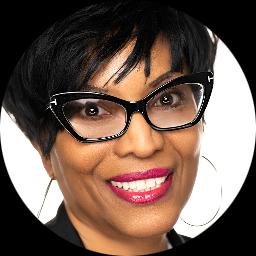
About Dorothy
Dorothy Vukmirovich is a Licensed Professional Counselor (LPC) in Michigan with ten years of clinical experience. She focuses on helping people who are coping with stress and anxiety, and she also supports those dealing with addictions, relationship concerns, trauma and abuse, and depression. Dorothy values each person's strengths and respects the knowledge people bring about their own lives.
Her approach centers on listening first and building on what already works for each person.
Background and approach
She helps clients name what feels hard and then tries out practical steps to reduce distress. Sessions are collaborative and paced to fit each person’s needs. Dorothy draws on evidence-based therapeutic techniques to address specific problems like panic attacks, post-traumatic stress, and social anxiety.
She also works on attachment issues, communication problems, and feelings such as guilt, shame, and isolation. Conversations may include skill practice, emotion regulation strategies, and goal setting. Parents reading this will find short, clear guidance and support that fits busy schedules.
Dorothy encourages small, achievable changes and celebrates progress along the way. Her tone in sessions is direct but compassionate, focused on what helps people function better day to day. To begin, she invites people to take the first step and complete a brief matching questionnaire.
From there she helps schedule a format that works, whether that is a video call, phone session, live chat, or text-based messaging.
Evidence-based techniques for online anxiety care
Many evidence-based therapeutic techniques focus on changing unhelpful thoughts and building coping skills. Cognitive approaches help people notice thought patterns that increase anxiety and then practice more balanced thinking to reduce worry and panic. Skills-based approaches teach breathing, grounding, and behavioral steps that can lower immediate distress during panic attacks and panic disorder.Trauma-informed methods help people work through the effects of past trauma at a pace that feels safe. This often includes learning to manage triggers, reduce flashback intensity, and rebuild a sense of control after abuse or post-traumatic stress. These approaches are useful when trauma symptoms or relationship wounds make daily life harder.
Finding the right approach is part of the work. The therapist will collaborate with each person to choose techniques that match their goals, symptoms, and preferences. That process may include trying different strategies and adjusting pace and focus based on what helps most.
Online therapy lets people access counseling in flexible ways. Video calls are useful when visual cues and a fuller conversation are helpful. Phone sessions can fit into a shorter break or when bandwidth is limited. Live chat and text-based messaging support ongoing check-ins and skill practice between sessions. These options make it easier to fit therapy into work, family life, or other responsibilities while still working toward clearer coping and reduced anxiety.
Questions people ask
What kinds of concerns does she address?
What is her therapy style?
How much clinical experience does she have?
What are her credentials and where is she based?
Which languages are supported?
Are international clients accepted?
What session formats are available?
How does the cost and subscription work?
What this therapist works with
Most often
- Stress, Anxiety
- Addictions
- Relationship issues
Also listed
- Experience
- 10 years
- Licensed
- Michigan
- Languages
- English
We will earn a commission if you sign up through our link, at no cost to you.