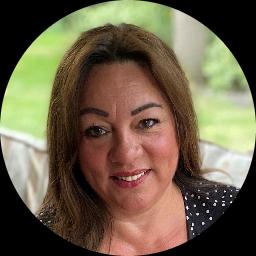
About Dorothy
Dorothy Dixon is a person-centred counsellor who focuses on listening and understanding. She works to create a calm, empathic space where someone can talk about stress, anxiety and other painful issues without feeling judged. Her background is in the health and social care sector, where she supported many people facing practical and emotional challenges.
That experience convinced her that steady listening and time can help people move forward, so she trained as a therapist.
Background and approach
Dorothy is a member of the British Association for Counselling and Psychotherapy, BACP, and follows its code of ethics. In sessions she aims to make people feel at ease and understood. Conversations are straightforward and paced to the client, with the counsellor reflecting what is said and helping the person find their own next steps.
She emphasises trust, honesty and acceptance rather than giving quick fixes. Dorothy has worked with people from diverse backgrounds and welcomes different cultural perspectives. She supports people through grief, trauma and abuse, low self-esteem and workplace pressures, among other concerns.
She also helps with separation and relationship breakdown, feelings of abandonment, and social anxiety. Her style is patient and practical. Dorothy will sit with difficult feelings and help someone consider options, discover acceptance or plan changes.
She aims to empower people to take small steps toward a more manageable life.
Person-centred support online and how it helps
Client-centred therapy is about giving the person space to talk and be heard. The counsellor mirrors feelings and helps someone make sense of their experience. This approach suits worry, anxiety and emotional pain where being understood helps a person feel steadier.Because Dorothy draws on the person-centred approach, sessions are led by the person's concerns and pace. That means she will work collaboratively to decide what matters most and try different ways of approaching those issues. The aim is to find what feels most helpful for the individual rather than to follow a fixed plan.
Online formats include video calls, phone sessions, live chat and text-based messaging. Video calls are good when face-to-face contact helps the relationship. Phone sessions can be useful when bandwidth is limited or for a focused check-in. Live chat and text messaging suit brief check-ins, people who prefer writing, or those who need flexible timing. These options make it easier to fit counselling around work, care duties and daily life.
Questions people ask
What concerns can Dorothy help with?
What is her therapeutic style like?
What experience does she bring to sessions?
What credentials and location are listed?
Which languages and international arrangements are supported?
What session formats are available?
How does cost and payment work?
How do I begin working with her?
What this therapist works with
Most often
- Stress, Anxiety
- Family conflicts
- Trauma and abuse
Also listed
Therapeutic approaches
- Experience
- 3 years
- Licensed
- Languages
- English
We will earn a commission if you sign up through our link, at no cost to you.