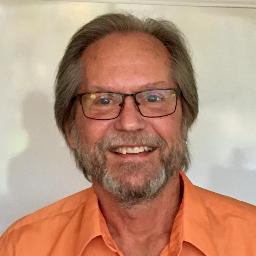
About Donald
Donald "Don" Fountain brings decades of practical experience to therapy. He is a Licensed Professional Counselor (LPC) who spent more than 40 years in education and counseling. Don writes in plain language and aims to help people facing stress, anxiety, addiction, grief, low self-esteem, and depression.
He retired from a long career as a high school counselor in 2017 after 27 years in that role, including time as department chair.
Background and approach
Alongside school work, he practiced as an LPC in personal settings for many years and later ran a preschool program serving children through sixth grade. Don has also taught in graduate programs to prepare new counselors. His experience includes work with adolescents and adults across a wide range of concerns.
He describes his role as helping people find answers within themselves and building practical tools they can use day to day. Don stresses balance and grounding in a world that often feels unstable. He adapts his approach to each person and uses a variety of techniques to match individual needs.
His background as an educator and counselor shapes a straightforward, supportive style. Outside of work he was married for nearly 41 years and is the father of five with ten grandchildren. Personal loss has influenced his perspective and deepened his commitment to helping others move toward more fulfilling lives.
How therapeutic approaches adapt to online care
Many of the evidence-based techniques Don uses focus on skill building and practical strategies. One common approach helps people recognize patterns in thoughts and behaviors and then practice new, healthier responses; this can reduce anxiety and improve mood. Another approach centers on coping skills for managing stress and strong emotions, teaching short exercises and routines that people can use between sessions.Choosing the right approach is a collaborative process. The therapist will talk with each person about goals, preferences, and what has or hasn't helped before, then try methods that fit those needs. Plans are adjusted over time based on what works in real life and what the client finds helpful.
Online therapy formats include video calls, phone sessions, live chat, and text-based messaging. Video sessions allow face-to-face conversation from different locations, phone sessions can be useful when bandwidth is limited or a shorter check-in is needed, and chat or messaging work well for people who prefer written communication or flexible timing. These options make it easier to fit therapy into busy schedules and to continue work between meetings.
Questions people ask
What kinds of concerns does this therapist address?
What is the therapeutic style like?
How much experience does he have?
Where is he located and what credential does he hold?
Which languages are used in sessions?
Can international clients work with him?
What session formats are available?
How does cost and scheduling work?
What this therapist works with
Most often
Also listed
- Experience
- 40 years
- Licensed
- Pennsylvania
- Languages
- English
We will earn a commission if you sign up through our link, at no cost to you.