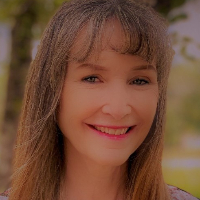
About Denise
Denise McCarson is a Licensed Professional Counselor (LPC) practicing in Texas with 30 years of experience. She has worked across settings such as outpatient care, crisis intervention, intensive outpatient, partial hospital, hospital, and residential programs. Denise draws on a long career helping people facing stress, anxiety, depression, grief, addiction, and major life changes.
Her style is respectful and interactive. Sessions focus on clear goals and practical steps that fit each person's life.
Background and approach
She blends different approaches to match needs rather than using a single method for everyone. Denise uses tools from client-centered therapy, cognitive behavioral therapy, dialectical behavior therapy, and mindfulness to shape treatment plans. That mix helps address mood disorders, panic attacks, bipolar issues, anger, and low self-esteem.
She also supports people dealing with compassion fatigue, isolation, and aging-related concerns. People can expect conversations that are direct but empathetic. Denise emphasizes skill building for coping, emotional regulation, and problem solving.
She pays attention to real-world challenges like recovery from addiction and handling loss. Over her career she has seen many paths to improvement and adapts her work to each person. Her aim is to help people find manageable steps forward and feel steadier in daily life.
How therapeutic approaches translate to online care
Acceptance and Commitment Therapy (ACT) helps people focus on values and take action despite difficult thoughts. It teaches simple exercises to notice thoughts without letting them control actions, which can be useful for anxiety and stress. Cognitive Behavioral Therapy (CBT) looks at thoughts, feelings, and behaviors and uses practical exercises to change unhelpful patterns. CBT can help with panic attacks, mood problems, and managing negative thinking. Client-Centered Therapy emphasizes a respectful, nonjudgmental space where the client leads the pace and topics, and the therapist reflects and supports growth.Finding the right approach is part of the work together. The therapist will talk with each person about goals, preferences, and what feels most useful. That collaborative process helps pick techniques and shape sessions that suit the individual rather than using a one-size-fits-all method.
Online sessions offer a range of ways to connect, including video calls, phone sessions, live chat, and text-based messaging. Video is good for face-to-face interaction and teaching skills visually. Phone sessions can be shorter and easier when bandwidth is limited. Live chat or text messaging can work for quick check-ins, writing out thoughts, or when speaking feels hard. These options make it easier to fit therapy into a busy life and keep continuity when routines change.
Questions people ask
What concerns does this therapist address?
How would you describe the therapy style?
How long has Denise worked in the field?
What are the therapist's credentials and location?
Which languages are supported for sessions?
What session formats are available?
How is cost handled for sessions?
How do I begin working with this therapist?
What this therapist works with
Most often
Also listed
Therapeutic approaches
- Experience
- 30 years
- Licensed
- Texas
- Languages
- English
We will earn a commission if you sign up through our link, at no cost to you.