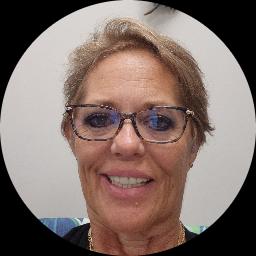
About Debra
Debra Matthews-Robinson is a licensed clinical social worker with twenty years of experience helping people manage stress and anxiety. She offers a calm, straightforward presence and aims to make therapy feel practical and manageable for someone juggling daily life. Her style focuses on clear steps you can try between sessions.
She listens to what matters most and helps set small goals. Sessions are meant to teach skills for coping with panic, mood shifts, grief, and difficult life changes.
Background and approach
Debra uses methods that help people change unhelpful thoughts and process painful memories. She helps clients work on self-love, forgiveness, and reducing guilt and shame. She also addresses caregiver strain and communication problems that get in the way of daily functioning.
In session she balances structured techniques with time to reflect and make sense of feelings. That can mean practicing breathing, testing new ways of thinking, or processing hard memories when needed. The aim is to leave sessions with something concrete to try at home.
Debra practices in Florida as an LCSW, and she works in English. Her approach is collaborative and respectful of each person’s pace and values. For someone overwhelmed by worry or life transitions, she offers steady support and practical tools to move forward.
Therapeutic approaches that work online
Debra frequently uses Cognitive Behavioral Therapy, which focuses on identifying and changing unhelpful thoughts and behaviors. CBT helps with anxiety, panic attacks, mood shifts, and practical coping skills by breaking problems into small, manageable steps.She also uses Eye Movement Desensitization and Reprocessing to help people process distressing memories and reduce their emotional intensity. EMDR involves guided processing of memories and can be useful for trauma-related symptoms and intense emotional reactions.
Finding the right approach is part of the work together. She will review what you want to change, try different techniques, and adapt based on your needs and preferences. The plan is collaborative and can shift as progress is made.
Online formats include video calls, phone sessions, live chat, and text-based messaging to make therapy flexible. Video lets you work face to face from wherever you are. Phone sessions can be easier when bandwidth or camera use is limited. Live chat or messaging can support brief check-ins, ongoing reflection, or when it helps to write things out. These options make it simpler to fit therapy into a busy life.
Questions people ask
What concerns does she commonly address?
What is her therapeutic style like?
How much experience does she have?
What are her credentials and location?
Which languages are supported and can international clients work with her?
What session formats does she offer?
How does cost and billing work?
How do I begin working with her?
What this therapist works with
Most often
Also listed
Therapeutic approaches
- Experience
- 20 years
- Licensed
- Florida
- Languages
- English
We will earn a commission if you sign up through our link, at no cost to you.