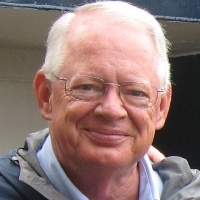
About David
David Swineheart is a Licensed Clinical Social Worker (LCSW) practicing from Indiana with three decades of experience. He focuses on helping people who feel overwhelmed by anxiety, stress, grief, depression, or trauma. He aims to make sessions direct, respectful, and grounded in real-life problem solving.
David uses practical talk and structured tools to help people manage symptoms and make changes. He often combines client-centered listening with strategies from cognitive behavioral therapy and solution-focused work.
Background and approach
Sessions tend to focus on clear goals and small steps that fit daily life. He has worked with a broad range of concerns, including panic attacks, self-harm, eating and sleeping problems, parenting strain, and relationship or intimacy issues. He also addresses attachment wounds, codependency, guilt and shame, and challenges such as ADHD, bipolar concerns, and career stress.
People can expect a steady, goal-oriented style that values their strengths. David looks to balance practical strategies with emotional understanding so clients feel heard and making progress. His long experience includes international work with people from other countries and cultures.
That background informs how he adapts approaches to fit different life situations and communication styles.
How therapeutic approaches translate to online care
Client-Centered Therapy focuses on listening and responding to the person in front of him. It emphasizes empathy and building on the client's strengths to make change and feel understood.Cognitive Behavioral Therapy (CBT) helps people notice thoughts and behaviors that keep problems going and then practices new ways of thinking and acting. It is often used for anxiety, panic, mood shifts, sleep problems, and coping with life changes.
David treats the choice of approach as collaborative. He works with each person to decide which methods fit their needs, goals, and comfort level, and adapts the plan as progress is made.
Online formats - video calls, phone sessions, live chat, and text messaging - let people choose what fits their day. Video is useful for fuller interaction and visual cues. Phone calls work when bandwidth is limited or a simpler check-in is needed. Live chat or text sessions can be helpful for short updates, coaching-style exchanges, or when writing feels easier than speaking. These options make it simpler to keep therapy consistent around work, school, or caregiving responsibilities.
Questions people ask
What kinds of concerns does David address?
How would you describe his therapeutic style?
How much experience does he have?
What credentials and location are listed?
In what languages can sessions be held?
Which session formats are available?
How does pricing work?
What are the steps to begin working together?
What this therapist works with
Most often
Also listed
- Abandonment
- ADHD
- Anger management
- Attachment issues
- Bipolar disorder
- Career difficulties
- Coaching
- Codependency
- Commitment issues
- Compassion fatigue
- Control issues
- Coping with life changes
- Dependent personality
- Depression
- Dissociation
- Eating disorders
- Emptiness
- Family conflicts
- Forgiveness
- Guilt and shame
- Intimacy-related issues
- Panic disorder and panic attacks
- Parenting issues
- Relationship issues
- Self esteem
- Self-harm
- Sexual assault and abuse
- Sleeping disorders
- Veteran and Armed Forces Issues
Therapeutic approaches
- Experience
- 30 years
- Licensed
- Indiana
- Languages
- English
We will earn a commission if you sign up through our link, at no cost to you.