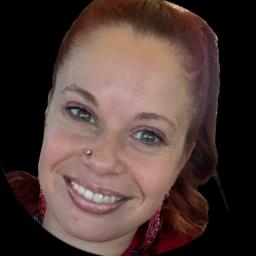
About Crystal
Crystal Tuck is a Licensed Professional Counselor (LPC) practicing in Georgia with seven years of clinical experience. She focuses on helping people manage stress and anxiety, cope with addictions, and rebuild self-esteem. She approaches each client with respect, sensitivity, and compassion and aims to create a plan that fits real life.
She commonly helps people who are dealing with relationship strain, trauma and abuse, or struggles with motivation and confidence.
Background and approach
Crystal pays attention to how past attachments and current life roles affect daily choices. She listens for patterns such as codependency, control issues, or recurring guilt and shame, and then talks through practical steps to change those patterns. Her work includes attention to blended family issues, caregiver stress, and co-occurring mood or substance concerns.
Crystal also supports people facing isolation or uncertainty about life purpose. Conversations focus on what feels doable and meaningful in the moment. Sessions are tailored to each person.
She shapes conversations and goals around individual needs rather than following a fixed script. Crystal encourages small, steady changes and checks progress each week. People often come for short-term coping tools or longer work on deeper patterns.
She accepts international clients and offers video calls, phone sessions, live chat, and text-based messaging. Starting is straightforward: the process begins with a short matching questionnaire and scheduling that fits each person’s availability.
Approaches that guide online sessions
Crystal uses evidence-based therapeutic techniques that focus on changing what gets in the way of daily functioning. One common approach she uses helps people learn practical coping skills for stress and anxiety, such as breath work, grounding, and brief behavior changes to reduce overwhelm. This approach is useful when immediate relief and clearer thinking are priorities.She also works with strategies that address addictive patterns and co-occurring mood concerns by breaking cycles and building alternative routines. These techniques focus on small, repeatable steps to reduce harmful behaviors and improve mood over time.
Choosing the right approach is a collaborative process. The therapist will talk with each person about their goals, preferences, and life demands, then test what works and adjust as progress is made. Clients are invited to give feedback so sessions stay aligned with their needs.
Online formats include video calls, phone sessions, live chat, and text-based messaging. Video sessions allow for face-to-face interaction when more connection is helpful. Phone sessions can be a good option when bandwidth is limited or when a shorter check-in is needed. Live chat and text messaging support ongoing contact and brief updates between longer sessions, offering flexibility for people with busy schedules or irregular routines.
Questions people ask
What concerns does she commonly address?
What is her therapeutic style like?
How much clinical experience does she have?
What are her credentials and location?
Can sessions be conducted in languages other than English?
Which session formats are available?
How does payment and cost work?
What are the first steps to begin working together?
What this therapist works with
Most often
- Stress, Anxiety
- Addictions
- Relationship issues
Also listed
- Attachment issues
- Blended family issues
- Caregiver issues and stress
- Co-morbidity
- Codependency
- Communication problems
- Control issues
- Domestic violence
- Drug and alcohol addiction
- Guilt and shame
- Isolation / loneliness
- Life purpose
- Mood disorders
- Narcissism
- Personality disorders
- Postpartum depression
- Self esteem
- Self-love
- Sexual assault and abuse
- Social anxiety and phobia
- Trauma and abuse
- Veteran and Armed Forces Issues
- Women's issues
- Workplace issues
- Young adult issues
- Experience
- 7 years
- Licensed
- Georgia
- Languages
- English
We will earn a commission if you sign up through our link, at no cost to you.