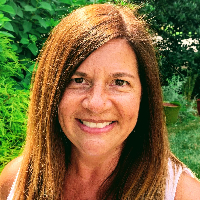
About Courtney
Dr. Courtney Thomas uses straightforward, practical therapy to help people manage anxiety and stress. She brings 25 years of experience as a VA Psychologist and works with people who are facing relationship strain, parenting challenges, grief, or life changes.
Her approach is warm and collaborative, and she aims to help people make steady, useful changes. She holds a master’s degree and a doctoral degree in clinical psychology. Over her career she has worked in schools, shelters, community mental health clinics, and national security settings.
Background and approach
She also maintains a independent practice in Virginia and has experience meeting people from many cultural backgrounds. In sessions she often uses Cognitive Behavioral Therapy, because she finds it practical and goal-oriented. She combines that with client-centered conversation and psychodynamic ideas when they fit the person’s needs.
Solution-focused techniques are used when people want brief, concrete steps to try between sessions. Her style is collaborative - she brings psychological knowledge and the person brings expertise about their life. Together they develop a plan that matches goals and daily realities.
The focus is on skills and small changes that add up over time. Dr. Thomas helps people work through issues such as trauma and abuse, mood disorders, social anxiety, and problems tied to blended families or separation.
She also supports those sorting out life purpose, career concerns, and confidence issues. The aim is steady progress and practical coping skills people can use after sessions.
Therapeutic approaches adapted for online care
Dr. Thomas commonly uses Cognitive Behavioral Therapy and Client-Centered Therapy in online work. CBT focuses on identifying unhelpful thought patterns and testing small behavior changes to reduce anxiety and improve mood. Client-centered work prioritizes what matters to the person in front of her and uses reflective conversation to help clarify goals and build motivation.Finding the right approach is part of the work together. She will talk with each person about goals, past experiences with therapy, and preferences. Then she and the client choose which techniques to start with and adjust them over time in a collaborative way.
Online formats include video calls, phone sessions, live chat, and text-based messaging. Video is useful for face-to-face conversation and learning new skills together. Phone sessions can be easier when lower bandwidth or hands-free conversation is needed. Live chat and text messaging work well for brief check-ins, quick problem-solving, or fitting therapy into a busy day. These options provide flexibility so people can match therapy to their schedule and daily needs.
Questions people ask
What kinds of concerns does this therapist address?
What is the therapist's general approach in sessions?
How much experience does the therapist have?
What are the therapist's credentials and location?
Which languages are sessions offered in?
What session formats are available?
How does payment and cost work?
What is the first step to begin working together?
What this therapist works with
Most often
- Stress, Anxiety
- Relationship issues
- Family conflicts
Also listed
- Anger management
- Attachment issues
- Blended family issues
- Career difficulties
- Commitment issues
- Coping with life changes
- Depression
- Divorce and separation
- Family problems
- Grief
- Life purpose
- Mood disorders
- Parenting issues
- Self esteem
- Social anxiety and phobia
- Trauma and abuse
- Women's issues
- Young adult issues
Therapeutic approaches
- Experience
- 25 years
- Licensed
- Virginia
- Languages
- English
We will earn a commission if you sign up through our link, at no cost to you.