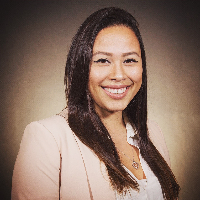
About Corina
Corina Istanich is a licensed mental health counselor who helps people manage stress, anxiety, addictions, and relationship concerns. She works with clients who are facing grief, trauma, parenting challenges, career stress, and changes in life circumstances. Corina speaks English and Spanish and practices from Florida as an LMHC.
Corina favors clear, practical work in sessions. She often uses Cognitive Behavioral Therapy to identify unhelpful thoughts and try small behavior changes.
Background and approach
She also draws on Client-Centered principles to listen closely and create a respectful, nonjudgmental space. Her background includes substantial experience in addiction settings and community agencies. That work involved inpatient addiction care as well as outpatient and in-home services.
Corina has ten years of experience overall and brings hands-on familiarity with drug and alcohol addiction and communication problems. In session she combines practical skills with direct, compassionate feedback. She emphasizes coping skills, boundary setting, and clearer communication as ways to improve daily life and relationships.
Clients can expect straightforward suggestions alongside supportive listening. Corina prefers video sessions because seeing each other helps her notice important cues, though she is open to phone or live chat when video is not possible. She frames the therapeutic relationship as a tool to practice new ways of relating to family, friends, and coworkers.
People who want a therapist who mixes action-focused tools with empathetic listening may find her style helpful. Corina aims to help clients learn new habits and skills that fit their values and goals.
How approaches like CBT and client-centered work online
Corina frequently uses Cognitive Behavioral Therapy and Client-Centered Therapy in online sessions. CBT focuses on spotting unhelpful thoughts and testing small behavior changes to reduce symptoms like anxiety and stress. Client-Centered work emphasizes listening, empathy, and helping clients feel understood so they can make their own choices.She will also draw on elements of Dialectical Behavior Therapy and Motivational Interviewing when they fit a person's goals. The therapist and client decide together which approaches to use, based on the client’s needs, goals, and preferences. That collaborative process helps tailor each session rather than forcing a single method.
Online therapy offers practical flexibility. Video calls allow face-to-face interaction and make it easier to notice facial expressions and body language. Phone sessions can work well when bandwidth is limited or when a shorter check-in is needed. Live chat and text-based messaging are useful for brief updates, skill practice between sessions, or when typing feels more comfortable. These options help people fit therapy into work, family, and daily routines while using approaches like CBT and client-centered therapy in a way that fits their life.
Questions people ask
What kinds of problems does she help with?
How would you describe her therapy style?
What is her professional background?
Where is she located and what credential does she hold?
Which languages are supported in sessions?
Can she work with clients outside the United States?
What formats are available for sessions?
How does cost and scheduling work?
What this therapist works with
Most often
- Stress, Anxiety
- Addictions
- Relationship issues
Also listed
- ADHD
- Anger management
- Career difficulties
- Communication problems
- Compassion fatigue
- Coping with life changes
- Depression
- Drug and alcohol addiction
- Family conflicts
- Grief
- Intimacy-related issues
- Parenting issues
- Self esteem
- Trauma and abuse
Therapeutic approaches
- Experience
- 10 years
- Licensed
- Florida
- Languages
- English, Spanish
We will earn a commission if you sign up through our link, at no cost to you.