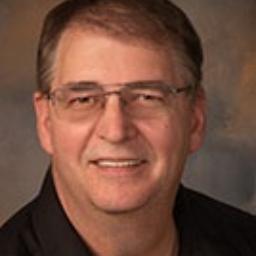
About Claude
Dr. Claude Ouellette is a licensed mental health counselor with three decades of experience. He focuses on helping people who are dealing with stress, anxiety, trauma and abuse, depression, and major life changes.
He aims for clear, steady conversations that help a person feel understood and able to move forward. In sessions he listens first to learn what matters most to each person. He uses a mix of approaches to match the problem at hand.
Background and approach
That can include exploring personal stories, noticing thought patterns that get in the way, and using mindful practices to lower tension. Dr. Ouellette draws on specific methods when trauma or dissociation are part of the picture.
He favors step-by-step work that checks progress along the way. People meet to set goals, use assessments if needed, and revisit how things are changing over time. He combines talk-based methods with techniques designed to process painful memories and shift unhelpful patterns.
Sessions aim to reduce distressing symptoms and help people find clearer direction in their lives. The overall emphasis is practical and paced to each person’s needs. Dr.
Ouellette practices from Washington and offers services in English. He also works with international clients and provides several online formats to fit different schedules and preferences.
How therapeutic approaches translate to online care
Client-Centered Therapy focuses on listening and following what matters to the person. The therapist creates space for people to tell their story and helps them find their own direction, which works well in conversations over video or chat.Cognitive Behavioral Therapy, or CBT, looks at unhelpful thinking and behavior patterns and teaches practical skills to change them. CBT can be done in short lessons during video calls or reinforced with exercises via text-based messaging or live chat.
Eye Movement Desensitization and Reprocessing, often called EMDR, is used when past traumatic memories keep causing distress. In an online setting, this work is adapted to step-by-step protocols and careful monitoring so the person can proceed at a manageable pace.
Finding the right approach is a collaborative process. The therapist will discuss goals, preferences, and how symptoms show up, then try methods that fit. That decision is revisited as progress is tracked and needs change.
Online formats offer practical flexibility. Video calls let people read nonverbal cues and work in real time. Phone sessions need less bandwidth and can be easier for quick check-ins. Live chat and text messaging are useful for brief updates, skill practice, or when typing feels more comfortable. These options allow sessions to fit work hours, travel, or different daily rhythms.
Questions people ask
What concerns does this therapist commonly address?
What is his typical therapeutic style?
How much clinical experience does he have?
What credentials and location are listed for this therapist?
Which languages are supported for sessions?
What session formats are available online?
How does payment and pricing work?
How do I begin working with him?
What this therapist works with
Also listed
Therapeutic approaches
- Experience
- 30 years
- Licensed
- Washington
- Languages
- English
We will earn a commission if you sign up through our link, at no cost to you.