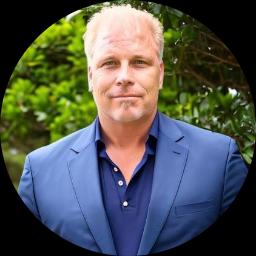
About Christopher
Christopher Korty is a licensed clinical social worker with twenty years of professional experience helping people manage stress and anxiety. He works with individuals facing anger, depression, addictions, grief, and relationship or parenting concerns. Christopher aims to create straightforward, respectful conversations that focus on practical steps forward.
He uses clear, goal-focused talk to tailor a plan to each person's situation. Sessions emphasize skills people can use between appointments to handle strong emotions and difficult moments.
Background and approach
He draws on approaches like cognitive behavioral therapy and dialectical behavior therapy to teach coping skills and change unhelpful patterns. Christopher also uses motivational interviewing to help people find their own reasons for change and stay engaged with goals. That method is useful when someone feels stuck or uncertain about making a change.
He pays attention to how daily stress, work, and past trauma affect mood and relationships. In sessions he keeps language plain and practical. He helps clients break big problems into smaller, manageable steps.
Progress is framed as gradual and collaborative rather than overnight. Christopher practices in North Carolina and conducts sessions in English. He aims to support people through life changes, challenges with focus or impulse control, and struggles around self-esteem and purpose.
He encourages questions and will adapt pacing to what a person needs.
How therapeutic approaches translate to online sessions
CBT focuses on identifying unhelpful thoughts and routines and practicing different ways of thinking and acting. Online CBT sessions can include short exercises, goal setting, and homework that people use between meetings to reduce anxiety and improve mood.DBT teaches practical skills for managing strong emotions, tolerating distress, and improving interpersonal effectiveness. In virtual sessions DBT skills practice can be paced to the person's needs and reinforced with text or chat check-ins between appointments.
Motivational Interviewing is a conversational method that helps people find their own reasons to change and strengthen motivation. It pairs well with online work because brief communications and regular check-ins help sustain momentum toward goals.
Finding the right mix of approaches is part of the work. The therapist collaborates with each person to choose methods that match their goals and day-to-day life. That process may involve trying a few strategies and adjusting based on what helps most.
Online sessions via video, phone, live chat, or text messaging make it easier to fit therapy into a busy week. Video is useful for full discussion and visual cues, phone can be a lower-bandwidth option, chat works for brief check-ins, and messaging supports ongoing reflection between sessions. These formats aim to increase flexibility and make consistent work on goals more practical.
Questions people ask
What concerns does Christopher address?
What is his therapeutic style like?
How much experience does he have?
What credential does he hold and where is he located?
Which languages are supported for sessions?
What session formats are available?
How are costs handled?
What do I do to begin working together?
What this therapist works with
Most often
- Stress, Anxiety
- Relationship issues
- Family conflicts
Also listed
- Addictions
- ADHD
- Anger management
- Bipolar disorder
- Career difficulties
- Communication problems
- Compassion fatigue
- Coping with life changes
- Depression
- Disruptive Mood Dysregulation Disorder (DMDD)
- Eating disorders
- Family problems
- Forgiveness
- Grief
- Impulsivity
- Intimacy-related issues
- Life purpose
- Men's issues
- Parenting issues
- Self esteem
- Trauma and abuse
- Young adult issues
Therapeutic approaches
- Experience
- 20 years
- Licensed
- North Carolina
- Languages
- English
We will earn a commission if you sign up through our link, at no cost to you.