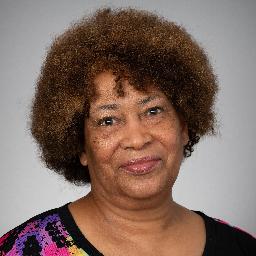
About Christine
Christine Burns is a licensed clinical social worker with 26 years of experience supporting people through stress and anxiety. She helps with grief and loss, depression, and the challenges that come with major life changes. Her approach is grounded in respect and compassion for each person who reaches out.
She listens first to understand what matters to you. Then she tailors conversations and a treatment plan to fit your situation.
Background and approach
Sessions are practical and focused on small, manageable steps toward feeling better. Christine has worked with concerns such as relationships, intimacy-related issues, family stress, sleep problems, and addictions. She also offers support for aging and geriatric issues, chronic pain and illness, hospice and end-of-life counseling, multicultural concerns, seasonal affective disorder, and women's issues.
Her practice emphasizes collaboration. Clients and the therapist set goals together and revisit them as needed. The overall goal is to help people build coping skills and make changes that feel sustainable in daily life.
Christine practices in Texas and conducts sessions in English. She aims to create a calm and steady space for people who are ready to take steps toward change.
Evidence-based approaches and online options
Christine uses evidence-based therapeutic techniques that focus on practical skills and emotional understanding. One common approach emphasizes building coping skills for stress and anxiety through guided practice and short exercises that can be used between sessions. This helps people manage symptoms day to day and regain a sense of control.Another approach centers on bereavement and adjustment after loss, combining supportive conversation with routines and rituals that help people process grief and return to daily activities. This approach is useful for grief, life transitions, and related depression symptoms.
Finding the right approach is a collaborative process. The therapist and client talk about goals, try strategies, and adjust plans based on what works. That means treatments are shaped by the client's needs, preferences, and progress rather than a fixed set of steps.
Online therapy offers flexible options to fit different schedules and needs. Video calls let people have a conversation that feels close to in-person sessions. Phone sessions may work when bandwidth is limited or a simpler check-in is enough. Live chat and text-based messaging provide short, frequent check-ins and let people communicate between sessions. These formats make it easier to keep therapy consistent while balancing work, family, and other responsibilities.
Questions people ask
What concerns does she help with?
What is her therapeutic style like?
How much experience does she have?
What credentials and location apply?
Which languages are available for sessions?
Can international clients work with her?
What session formats are offered?
How do I begin a consultation?
What this therapist works with
Most often
Also listed
- Experience
- 26 years
- Licensed
- Texas
- Languages
- English
We will earn a commission if you sign up through our link, at no cost to you.