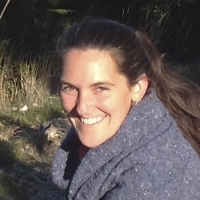
About Cherie
Cherie Felzer is a licensed marriage and family therapist (LMFT) who helps people facing stress and anxiety. She works with people struggling with depression, grief, relationship challenges, addiction, parenting strain, or questions about life purpose and self-worth. Cherie writes simply and listens closely to what matters most to each person.
Cherie draws on 11 years of clinical practice and many more years of movement and contemplative work. She blends talking with body-based awareness so clients can notice how emotions show up in their bodies.
Background and approach
Sessions aim to help people calm nervous systems, process hard feelings, and find steadier ways to cope with life changes. Her approach emphasizes connection and presence. Cherie uses attachment-based ideas to look at how early relationships shape current patterns.
She also brings client-centered listening so people feel heard and respected as they set goals and try different strategies. Cherie integrates mindfulness and somatic practices to help people become aware of bodily sensations and breath. That awareness often makes it easier to shift stuck patterns, manage anxiety, and build self-compassion.
She also supports people navigating cancer, end-of-life concerns, isolation, and compassion fatigue. Cherie practices in Hawaii and conducts sessions in English. Her style is calm and grounded, and she invites people to explore what’s alive for them without pressure.
She encourages a collaborative pace so each person can move forward with more ease and clarity.
Approach and practical online therapy options
Cherie often uses attachment-based ideas to explore how early relationships shape current patterns. This approach looks at connection and relational habits to help people notice where old patterns keep showing up and find new ways to relate.She also uses mindfulness and somatic methods to bring attention to breath, movement, and bodily sensation. Mindfulness helps calm racing thoughts and increase focus, while somatic work helps people track where emotions live in the body and practice gentle ways to release tension and move through strong feelings.
Finding the right approach is a collaborative process. The therapist will work with each person to identify goals, try different practices, and adjust methods based on what feels useful. Clients and the therapist decide together which tools fit the person's rhythm and needs.
Online therapy offers flexibility and practical access to care. Video calls allow face-to-face interaction for deeper connection, phone sessions can be easier when bandwidth or camera use is limited, and live chat or text-based messaging can suit quick check-ins or ongoing reflection between sessions. These options make it easier to fit therapy around work, caregiving, travel, or medical appointments while still getting consistent support.
Questions people ask
What kinds of concerns does she help people with?
What is her general approach and style?
How much clinical experience does she have?
What are her credentials and where is she located?
Which languages are supported for sessions?
In what session formats can people meet with her?
How does pricing work for sessions?
What is the process to start therapy?
What this therapist works with
Most often
- Stress, Anxiety
- Self esteem
- Career difficulties
Also listed
- Addictions
- Anger management
- Cancer
- Compassion fatigue
- Coping with life changes
- Depression
- Family conflicts
- Grief
- Hospice and end-of-life counseling
- Intimacy-related issues
- Isolation / loneliness
- LGBT
- Life purpose
- Parenting issues
- Relationship issues
- Self-love
Therapeutic approaches
- Experience
- 11 years
- Licensed
- California, Hawaii
- Languages
- English
We will earn a commission if you sign up through our link, at no cost to you.