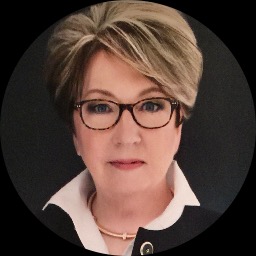
About Carole
Carole Calvert-Baxter is a licensed professional counselor who helps people manage stress and anxiety. She also supports those coping with trauma and abuse, low self-esteem, depression, and life coaching goals. Carole writes in a direct, calm way so people can decide if she feels like the right fit.
She spent 25 years as a health care executive before practicing counseling for 17 years in Michigan. That blend of administrative and clinical experience shapes how she structures sessions and stays focused on practical steps.
Background and approach
She sees clients as the experts in their own lives and builds on their strengths to make small changes that add up. Sessions with Carole tend to be conversational and goal oriented. She listens closely, helps people name what matters most, and suggests exercises or ways of thinking that can reduce worry and increase confidence.
She avoids jargon and explains techniques in plain language. Carole draws on Client-Centered Therapy to follow each person's lead and provide steady support. She uses Cognitive Behavioral Therapy techniques to identify unhelpful thought patterns and try new behaviors.
She also uses ideas from the Gottman Method when communication skills are a focus. People often come for help when daily stress feels overwhelming or when past hurts interfere with current life. Carole supports practical steps toward clearer thinking, better communication, and a stronger sense of purpose.
Her approach is straightforward, respectful, and focused on what each person wants to accomplish.
Approaches that guide online work and practical benefits
Client-Centered Therapy focuses on listening and following the person's priorities. The therapist offers empathic support and helps people clarify their goals and values so they can choose what to try next.Cognitive Behavioral Therapy, or CBT, helps identify unhelpful thoughts and test new behaviors. It is often used for anxiety, stress, and depression because it breaks problems into concrete steps and practiceable skills.
The Gottman Method provides tools for improving communication and managing conflict more effectively. It can be helpful when someone wants to strengthen how they express needs and respond to others.
Finding the right approach is part of the work together. The therapist will discuss goals, preferences, and what has or hasn't worked before, then choose or combine methods that fit. That collaborative planning helps keep sessions relevant and focused on measurable progress.
Online formats include video calls, phone sessions, live chat, and text-based messaging. Video allows face-to-face conversation and visual cues, phone calls need less bandwidth and can be easier when movement is limited, live chat and messaging are useful for brief check-ins or when writing helps organize thoughts. These options make it easier to fit therapy into work, caregiving, or busy schedules while keeping sessions practical and goal directed.
Questions people ask
What kinds of concerns does she address?
How would you describe her therapy style?
What experience does she bring?
What are her credentials and where is she based?
Which languages are offered for sessions?
What session formats are available online?
How are fees structured?
How do I begin working with her?
What this therapist works with
Also listed
- Aging and geriatric issues
- Coaching
- Codependency
- Commitment issues
- Communication problems
- Dependent personality
- Depression
- Domestic violence
- Family of origin issues
- Family problems
- Hospice and end-of-life counseling
- Life purpose
- Somatization
Therapeutic approaches
- Experience
- 17 years
- Licensed
- Michigan
- Languages
- English
We will earn a commission if you sign up through our link, at no cost to you.