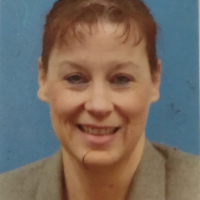
About Carol
Dr. Carol R Crowson is an LPC with 30 years of experience helping people manage stress and anxiety. She works with adults across a wide range of concerns, and she focuses on practical steps that people can use day to day.
Her approach centers on building on strengths and helping clients move forward at their own pace. Dr. Crowson draws on client-centered therapy to create a respectful, nonjudgmental space.
She uses motivational interviewing to identify personal strengths and to encourage small, realistic changes.
Background and approach
Cognitive Behavioral Therapy is used when thoughts and behaviors are getting in the way of daily life. Her background includes a Bachelor’s degree in Psychology and Criminal Justice, a Master of Education in Counseling and Guidance from the University of Montevallo, and a Doctor of Education from Nova Southeastern University.
That mix of academic training and long clinical practice informs a calm, steady style in sessions. Typical concerns she helps with include anxiety, depression, addictions, trauma and abuse, grief, parenting strain, ADHD, anger, eating issues, relationship struggles, and career stress. She also works with mood disorders and issues that arise with aging.
Sessions focus on identifying what’s working, setting clear small goals, and practicing new skills between meetings. The overall aim is steady progress rather than quick fixes. Dr.
Crowson encourages people not to give up on themselves and supports them as they try new approaches.
How her approaches translate to online therapy
Client-Centered Therapy emphasizes a respectful, listening stance that helps people feel heard. In practice this means the therapist reflects concerns, clarifies priorities, and follows the client’s pace to build trust and focus on what matters most.Cognitive Behavioral Therapy helps identify unhelpful thoughts and habits and replace them with more useful behaviors. It is useful for anxiety, depression, and coping with life changes because it pairs short exercises with homework to practice new skills between sessions.
Finding the right approach is part of the work together. The therapist will talk with the client about goals, try methods that fit those goals, and adjust plans based on what helps most. This collaborative process helps decide whether CBT, client-centered work, or motivational interviewing best supports progress.
Online sessions can be held by video, phone, live chat, or text-based messaging to match different lifestyles. Video calls allow face-to-face conversation; phone sessions can work when bandwidth is limited. Live chat or messaging can fit brief check-ins or days when writing feels easier. These options make it simpler to schedule regular sessions and keep momentum while managing daily demands.
Questions people ask
What types of concerns does this therapist address?
What is her general therapy style?
How much experience does she have?
What credentials and location are listed?
Which languages are offered for sessions?
What session formats are available?
How does cost work for therapy here?
How do I begin working with this therapist?
What this therapist works with
Most often
- Stress, Anxiety
- Addictions
- Family conflicts
Also listed
- ADHD
- Aging and geriatric issues
- Anger management
- Bipolar disorder
- Career difficulties
- Codependency
- Coping with life changes
- Dependent personality
- Depression
- Disruptive Mood Dysregulation Disorder (DMDD)
- Drug and alcohol addiction
- Eating and food-related issues
- Eating disorders
- Family problems
- Grief
- Mood disorders
- Paranoia
- Parenting issues
- Personality disorders
- Relationship issues
- Self esteem
- Self-harm
- Trauma and abuse
- Young adult issues
Therapeutic approaches
- Experience
- 30 years
- Licensed
- Alabama
- Languages
- English
We will earn a commission if you sign up through our link, at no cost to you.