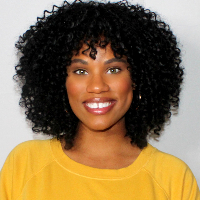
About Breo’na
Breo'na Troutman is a licensed counselor who helps people manage anxiety, stress, and relationship concerns. She uses a warm, non-judgmental style and aims to meet each person where they are. Sessions are interactive and geared toward practical steps people can use between meetings.
She draws on cognitive behavioral therapy, which looks at how thoughts influence feelings and actions. She also uses client-centered ideas to follow the person's lead and emotionally-focused work to address patterns in close relationships.
Background and approach
Mindfulness and motivational interviewing are part of her toolbox for building awareness and motivation. Breo'na earned a Master of Science in Clinical Mental Health Counseling from Wright State University. She holds a Licensed Professional Counselor credential in Georgia and a Licensed Clinical Mental Health Counselor credential in North Carolina.
She has about ten years of counseling experience working with issues like self-esteem, anxiety, and relationship problems. In sessions she keeps the tone relaxed and approachable. She likes to use a mix of talk, reflection, and short practical exercises.
Homework is simple and aimed at small, doable changes that add up over time. People who choose her often say they appreciate straightforward conversation and a sense of humor in therapy. Her goal is to help each person notice what’s getting in the way and try new ways of coping and relating.
How her approaches work in online therapy
Client-centered therapy focuses on following the person's lead and building a trusting connection; it helps when someone needs a listening space to clarify values and goals. Cognitive behavioral therapy (CBT) looks at the links between thoughts, feelings, and actions and offers concrete strategies for anxiety, stress, and mood shifts. Emotionally-focused work addresses patterns in close relationships and helps people try new ways of relating when old patterns cause pain.Choosing the right approach is part of the work. The therapist collaborates with each person to test what fits best based on needs and goals. That means trying techniques, checking what helps, and adjusting the plan together rather than sticking to one method.
Online formats make therapy more flexible. Video calls let people read facial cues and hold deeper conversations. Phone sessions work well when bandwidth is limited or when someone prefers not to be on camera. Live chat and text-based messaging are useful for quick check-ins, shorter updates, or when someone wants written reflections to review later. These options help therapy fit into work, parenting, or busy schedules while keeping focus on practical changes.
Questions people ask
What kinds of concerns does she address?
What is her therapeutic style like?
How much experience does she have?
What credentials and location are listed?
Which languages are sessions offered in?
What session formats are available?
How is cost handled for sessions?
How do I begin working with her?
What this therapist works with
Most often
- Relationship issues
- Family conflicts
- Anger management
Also listed
- ADHD
- Bipolar disorder
- Career difficulties
- Compassion fatigue
- Coping with life changes
- Depression
- Parenting issues
- Self esteem
- Stress, Anxiety
- Trauma and abuse
Therapeutic approaches
- Experience
- 10 years
- Licensed
- North Carolina, Georgia
- Languages
- English
We will earn a commission if you sign up through our link, at no cost to you.