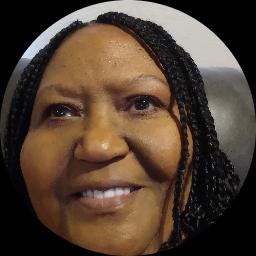
About Betty
Betty Peterson is a licensed clinical social worker with 19 years of experience who focuses on practical support for stress, anxiety, and life changes. She creates a calm space where people can talk through difficult feelings and daily challenges without judgment. Betty uses straightforward language and steps with clients toward clearer goals and better coping skills.
In sessions she listens closely and asks questions to understand what is getting in the way.
Background and approach
She draws from cognitive behavioral methods to help change unhelpful thinking patterns. She also uses acceptance and commitment ideas and mindfulness to help people live in line with their values even when hard emotions are present. Betty has worked with people facing addictions, relationship strain, grief, trauma, and parenting stress.
She also supports those managing mood disorders, chronic illness, workplace problems, and caregiving burdens. Her experience includes helping clients reduce social anxiety, improve sleep, and rebuild self-esteem. Her style is down-to-earth and collaborative.
Sessions focus on small, useful steps clients can try between meetings. Betty helps set clear, achievable goals and adjusts strategies as needs change. Based in Texas and licensed as an LCSW, she offers therapy in English.
People can expect practical tools, attentive listening, and steady support when navigating tough transitions or persistent stress.
Therapeutic tools you can use online
Acceptance and Commitment Therapy helps people notice difficult thoughts and feelings while moving toward what matters to them. It’s useful for anxiety, stress, and coping with life changes. Cognitive Behavioral Therapy focuses on identifying and shifting unhelpful thought patterns and behaviors to reduce symptoms like worry, low mood, or sleep trouble.Finding the right approach is part of the work. The therapist works collaboratively to learn your goals and tries methods that match your needs. Together you will adjust techniques over time so they fit your life and produce useful changes.
Online sessions are offered by video calls, phone sessions, live chat, and text-based messaging to increase flexibility. Video calls allow face-to-face conversation and visual cues. Phone sessions can be a simpler option when bandwidth is limited or you prefer not to be on camera. Live chat and messaging are helpful for brief check-ins, step-by-step coaching, or when you need support between longer sessions. These options make it easier to fit therapy into work, caregiving, or travel schedules while keeping focus on progress and practical skills.
Questions people ask
What concerns does this therapist address?
How does she approach therapy?
What is her professional background?
Where is she licensed and based?
Which languages are offered for sessions?
What session formats are available?
How are costs handled?
How do I get started with therapy?
What this therapist works with
Most often
- Addictions
- Family conflicts
- Self esteem
Also listed
- ADHD
- Aging and geriatric issues
- Bipolar disorder
- Career difficulties
- Chronic pain, illness, and disability
- Coaching
- Codependency
- Communication problems
- Compassion fatigue
- Coping with life changes
- Dependent personality
- Depression
- Divorce and separation
- Family problems
- Grief
- Guilt and shame
- HIV / AIDS
- Intimacy-related issues
- Mood disorders
- Parenting issues
- Relationship issues
- Self-love
- Sleeping disorders
- Social anxiety and phobia
- Stress, Anxiety
- Trauma and abuse
- Workplace issues
Therapeutic approaches
- Experience
- 19 years
- Licensed
- Texas, Oregon
- Languages
- English
We will earn a commission if you sign up through our link, at no cost to you.