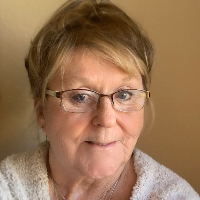
About Barbara
Barbara Brown is a Licensed Clinical Social Worker with 35 years of experience helping people face stress and anxiety. She provides calm, straightforward support for depression, grief, coping with life changes, and relationship struggles. Her style is warm and practical, focused on what helps right now.
Barbara listens first and asks simple, useful questions to understand each person's situation. She uses tools from cognitive behavioral work and mindfulness to help people notice thoughts and try different actions.
Background and approach
Sessions often include short exercises and simple handouts to practice between meetings. Her approach is collaborative - the person and Barbara set goals together and choose techniques that fit daily life. She also draws on solution-focused strategies and motivational interviewing to help people find momentum and build small, realistic changes.
Barbara has worked in outpatient clinics, independent practice, retirement communities, and criminal justice settings. That variety shaped a practical, no-nonsense way of working with mood disorders, trauma and abuse, addictions, caregiver stress, and blended family issues. People who work with her can expect straightforward tools, step-by-step planning, and attention to real-world limits like time and energy.
She aims to help people leave sessions with something usable for the next day. Barbara offers sessions from California in English and accepts international clients.
Therapeutic approaches and online care
Barbara often uses Cognitive Behavioral Therapy to help people notice unhelpful thinking patterns and try different behaviors. CBT breaks problems into clear parts so people can test small changes and see what helps with anxiety, depression, or low mood.She also draws on Client-Centered Therapy, which centers the client's experience and priorities. That approach focuses on listening closely, reflecting what the person says, and helping them find their own solutions for relationship or life-change challenges.
Finding the right approach is part of the work. The therapist and client decide together which methods to try based on goals, daily routines, and what feels doable. Adjustments are made as needed so sessions stay relevant and practical.
Online sessions offer flexibility through video calls, phone sessions, live chat, or text-based messaging. Video lets people work face to face when they want deep conversation. Phone calls can be easier when bandwidth is limited. Live chat and text messaging are useful for brief check-ins or when writing out thoughts helps. These options make it simpler to fit therapy into work, caregiving, or travel schedules and to keep momentum between meetings.
Questions people ask
What concerns does she help with?
How would you describe her therapy style?
How much experience does she bring?
What are her credentials and location?
Which languages are supported and can international clients join?
What session formats are available?
How is cost handled?
What do I do to get started?
What this therapist works with
Most often
Also listed
- Addictions
- Aging and geriatric issues
- Anger management
- Bipolar disorder
- Blended family issues
- Career difficulties
- Caregiver issues and stress
- Codependency
- Communication problems
- Compassion fatigue
- Coping with life changes
- Depression
- Family conflicts
- Mood disorders
- Parenting issues
- Relationship issues
- Trauma and abuse
Therapeutic approaches
- Experience
- 35 years
- Licensed
- California
- Languages
- English
We will earn a commission if you sign up through our link, at no cost to you.