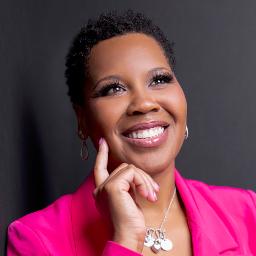
About Ashley
Ashley Mendoza is a licensed counselor who helps people manage stress, anxiety, and major life changes. She practices in Texas and draws on eight years of clinical experience to guide people through recovery after trauma and periods of upheaval. Ashley focuses on clear, practical steps in sessions.
She listens first, then helps people name what’s happening and try small changes that make daily life easier. She supports those dealing with low self-esteem, postpartum challenges, and moments when life feels overwhelming.
Background and approach
Her work often addresses attachment struggles and communication problems. She helps people handle caregiver stress, navigate family problems, and cope with feelings of isolation or shame. Sessions include attention to practical coping skills and strategies that can be used between meetings.
Ashley also offers support around pregnancy and childbirth, domestic violence impacts, and post-traumatic stress. She encourages people to build self-love and reconnect with what matters to them. The emphasis is on steady progress rather than quick fixes.
People describe her approach as culturally aware and affirming. She aims to create a calm space where emotions can be talked through and realistic plans can be made. Her background and methods support a range of concerns, from parenting strain to questions about life purpose.
Approaches that guide online sessions
Ashley uses evidence-based therapeutic techniques to help people manage symptoms and rebuild routines. One common approach focuses on practical coping skills - teaching concrete strategies to reduce anxiety and manage stress in day-to-day life. This method is useful for people who want tools they can use between sessions.Another frequent focus is trauma-informed work that helps people process difficult events and lessen their ongoing impact. This includes slowly building tolerance for difficult memories and developing safer, steadier ways to handle triggers. That work often pairs with attention to attachment patterns, which looks at how relationships affect feelings of safety and connection.
Finding the right approach is a collaborative process. The therapist will talk with each person about goals, preferences, and what has or hasn’t helped before, then suggest options to try together. Plans are adjusted as needs change so the work stays relevant and realistic.
Online therapy is offered by video calls, phone sessions, live chat, and text-based messaging. Video is useful for a full conversation and visual cues. Phone sessions work well when bandwidth is limited or a shorter check-in is needed. Live chat and messaging can help with quick reflections, tracking progress, or when someone prefers typing over talking. These options make it easier to fit sessions into busy lives and maintain continuity during transitions.
Questions people ask
What kinds of concerns can be addressed?
What is the general therapy style?
How much clinical experience does she have?
What credentials and location apply?
Which languages are supported and can international clients join?
What session formats are available?
How does cost and payment work?
How do I begin working together?
What this therapist works with
Most often
- Stress, Anxiety
- Trauma and abuse
- Parenting issues
Also listed
- Experience
- 8 years
- Licensed
- Texas, Florida
- Languages
- English
We will earn a commission if you sign up through our link, at no cost to you.