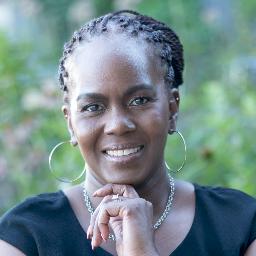
About Arneisha
Arneisha Woods, MD, LCPC, focuses on helping people who feel overwhelmed by stress and anxiety. She supports individuals coping with grief, trauma and abuse, low self-esteem, and depression. Her style centers on practical steps that clients can use between sessions.
She encourages small, manageable changes and recognizes each person as the expert on their own life. With seven years of clinical experience, she draws on a range of evidence-based therapeutic techniques to address mood and adjustment challenges.
Background and approach
She listens for strengths and past successes to build a plan that feels realistic. Sessions are aimed at improving daily functioning, increasing self-compassion, and reducing symptoms that make everyday life harder. Arneisha helps people untangle relationship patterns like commitment concerns and communication problems.
She also supports those dealing with domestic violence impacts, guilt and shame, isolation, and questions about life purpose. Her approach is straightforward and goal-oriented, with attention to practical tools and emotional processing. Clients who face mood disorders, personality-related challenges, or diagnoses like Disruptive Mood Dysregulation Disorder can expect a calm, steady clinician who works to make sessions useful and understandable.
She respects each person's pace and adapts techniques to the situation. Therapy with Arneisha happens remotely through phone, video, live chat, or text-based messaging, making it possible to fit sessions into busy schedules. She offers services in English and practices in Maryland.
Approaches and how online work fits
Two common evidence-based approaches she uses include problem-focused skill work and trauma-informed care. Problem-focused skill work teaches concrete strategies for managing anxiety and stress, such as breathing techniques, activity planning, and breaking problems into small steps. Trauma-informed care centers on safety and pacing while helping people process painful events and reduce their impact on daily life.She also uses mood-focused methods that help identify unhelpful thought and behavior patterns tied to depression and mood disorders. These methods help people test beliefs, build routines, and practice small behavioral changes that improve mood over time.
Finding the right combination of approaches is part of the process. She collaborates with each person to set goals, try tools, and adjust the plan based on what helps most. Clients participate in choosing techniques that fit their needs and rhythms rather than following a fixed program.
Online therapy makes regular care more flexible. Video calls let therapists and clients work face-to-face when richer interaction is helpful. Phone sessions work well when bandwidth is limited or a quicker check-in is needed. Live chat and text-based messaging are useful for brief updates, written reflections, or ongoing support between longer sessions. These options make it easier to fit therapy around work, family, and other commitments.
Questions people ask
What concerns does she commonly address?
How would you describe her therapeutic style?
What is her professional background?
Where does she practice and hold licensure?
Which languages are supported for sessions?
What session formats are available?
How does payment and cost work?
How do I begin therapy with her?
What this therapist works with
Most often
Also listed
- Commitment issues
- Communication problems
- Depression
- Disruptive Mood Dysregulation Disorder (DMDD)
- Domestic violence
- Forgiveness
- Guilt and shame
- Isolation / loneliness
- Life purpose
- Mood disorders
- Personality disorders
- Self esteem
- Self-love
- Women's issues
- Experience
- 7 years
- Licensed
- Maryland
- Languages
- English
We will earn a commission if you sign up through our link, at no cost to you.