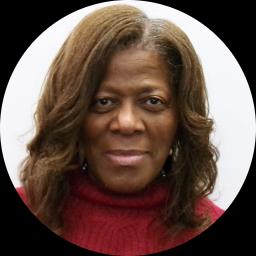
About Alice
Alice Ford is a licensed clinical social worker in Virginia with 35 years of practice. She helps people who are feeling overwhelmed by stress, anxiety, depression, or past trauma. She also supports those facing relationship and family challenges and those coping with isolation or social anxiety.
Her work often centers on improving communication, resolving family of origin issues, and addressing blended family concerns. She pays attention to cultural context and the needs of women and veterans when those factors matter to a client's story.
Background and approach
Sessions focus on clear, practical steps and steady emotional support. Alice takes a trauma-informed stance and listens for how past experiences shape present behavior. She helps people notice patterns, name painful feelings, and try different ways of relating.
The goal is better day-to-day functioning rather than quick fixes. Conversations may include processing painful events, practicing communication skills, and building tools to reduce anxiety. She also works with issues like guilt, shame, forgiveness, and the particular strains that come with military service.
Clients can expect straightforward, compassionate care aimed at gradual change. Alice prefers to tailor the approach to each person, with attention to cultural background and life context. Her long career means she brings seasoned perspective while keeping the focus on what a person needs now.
Evidence-based approaches and online care
Alice uses evidence-based therapeutic techniques that focus on how thoughts, feelings, and behaviors interact. One common approach helps people notice anxious thoughts, test whether they are accurate, and try new responses to reduce worry and avoidance. This kind of work often helps with generalized anxiety and social anxiety.Another frequent element is trauma-informed processing, which helps people name and make sense of painful experiences so those memories stop driving daily reactions. This work can reduce reactivity and improve relationships when past events are still influencing present life.
Finding the best approach is a collaborative process. The therapist will talk with each person about goals, try techniques that match those goals, and adjust methods based on what helps. Clients are invited to give feedback so the plan stays practical and relevant.
Online sessions offer flexible ways to meet. Video calls let people use visual cues and have deeper conversations, while phone sessions can fit a shorter break or use less bandwidth. Live chat and text-based messaging support quick check-ins, brief skills practice, or ongoing contact between longer sessions. These options make it easier to fit therapy into a busy life.
Questions people ask
What concerns does this therapist address?
How would you describe the therapeutic style?
What is the therapist's background and experience?
What credentials and location are listed?
Which languages and international arrangements are supported?
What session formats are available?
How is cost handled for sessions?
What steps are needed to begin working together?
What this therapist works with
Most often
- Stress, Anxiety
- Relationship issues
- Family conflicts
Also listed
- Experience
- 35 years
- Licensed
- Virginia
- Languages
- English
We will earn a commission if you sign up through our link, at no cost to you.