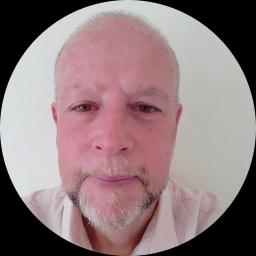
About Alan
Alan Stokes is a PACFA counsellor with three years of professional therapy experience and a decade working in mental health. He helps people manage stress and anxiety, cope with addictive patterns, and work through depression and bipolar challenges. Alan aims to create a respectful, sensitive space where people feel heard and understood.
He focuses on practical conversations and clear steps that people can use between sessions. Alan listens for what matters most to each person and adapts the approach to fit their circumstances.
Background and approach
He values collaboration and sets goals together rather than imposing a single plan. Alan has worked across a range of mental health settings over ten years, which shaped his calm and pragmatic manner. He uses approaches drawn from evidence-based therapeutic techniques tailored to the person in front of him.
This makes sessions feel direct and useful, not vague or theoretical. People come to him for help with trauma and abuse recovery, relationship and attachment worries, body image concerns, and problems with communication. He also supports men facing life transitions, issues linked to narcissism, and those processing post-traumatic stress.
Alan welcomes clear conversations about what you need from therapy. He explains options plainly and helps you choose the next steps. Taking that first step can feel hard, and he aims to make it feel manageable and hopeful.
Therapeutic approaches and online sessions
Alan draws on a range of evidence-based therapeutic techniques that focus on practical, goal-oriented work. One common method emphasises coping skills and strategies to manage anxiety and stress in day-to-day life, teaching breathing, grounding and behavioural adjustments that reduce immediate distress. Another approach concentrates on trauma-informed care which helps people process difficult experiences at a pace that feels manageable, using stabilisation and pacing to reduce overwhelm.Choosing the right approach is part of the work together. Alan collaborates with each person to identify which techniques fit their needs, goals and preferences. He reviews progress and adjusts the plan as simple practical feedback suggests changes are needed.
Online formats include video calls, phone sessions, live chat and text-based messaging, so therapy can fit into busy schedules. Video is useful for a fuller face-to-face feel, phone works well when bandwidth is limited or you need a shorter check-in, and chat or messaging suits regular brief reflections between sessions. These options make it easier to keep continuity and to fit therapy around work, family and daily life.
Questions people ask
What kinds of concerns does Alan support?
How would you describe his therapeutic style?
What is his background and experience?
What credentials and location are listed?
Which languages and international arrangements are available?
What session formats are offered?
How does costing work for sessions?
How do I begin working with him?
What this therapist works with
Also listed
- Experience
- 3 years
- Licensed
- Languages
- English
We will earn a commission if you sign up through our link, at no cost to you.