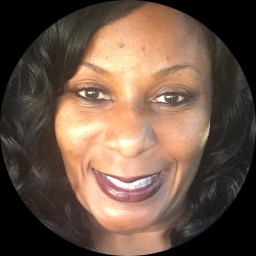
About Yolanda
Dr. Yolanda McDade is a licensed professional counselor with three decades of experience. She helps people who are struggling with stress, anxiety, eating concerns, anger, low self-esteem, and depression.
Her approach is practical and straightforward, aimed at helping people take small steps that lead to meaningful change. She works from a mix of cognitive and solution-focused ideas. Cognitive methods look at thought patterns and actions to find places to change behavior for better outcomes.
Background and approach
Solution-focused work taps into a person's existing strengths and skills to set realistic goals and make progress quickly. Dr. McDade emphasizes collaboration.
She treats each person as the expert on their own life and helps them use what already works for them. Therapy sessions are geared toward building confidence, reducing symptoms, and improving day-to-day functioning. Over 30 years she has supported people facing panic, mood disorders, isolation, workplace stress, caregiver strain, and issues like guilt or forgiveness.
She guides clients through practical exercises and measurable steps so they can notice difference over time. People who choose her often want clear strategies and steady encouragement. She offers video calls, phone sessions, live chat, and text messaging to fit different needs.
Getting started involves a short questionnaire and scheduling that matches the client's timing and preferences.
How cognitive and solution-focused work by video or message
Dr. McDade uses cognitive-based methods and a solution-focused approach in online sessions. Cognitive-based methods look at the thoughts and behaviors that keep stress and anxiety going. By practicing new thinking and small behavior changes, people can lower panic and manage mood symptoms more effectively.Solution-focused work concentrates on a person’s existing skills and what’s already working. Sessions identify practical goals and build short-term steps to reach them, which can help with issues like motivation, communication, and caregiver stress.
Finding the right approach is a shared process. The therapist will work together with each person to decide which methods fit their goals and preferences. That collaborative planning helps shape session content and pace so the work feels relevant and doable.
Online formats include video calls, phone sessions, live chat, and text-based messaging. Video calls are useful for face-to-face conversation and exercises that benefit from visual cues. Phone sessions can be a good choice when bandwidth is limited or for a quick check-in. Live chat and text messaging allow shorter, ongoing check-ins and flexible communication between sessions. These options make it easier to fit therapy into busy schedules and different life situations.
Questions people ask
What concerns does this therapist help with?
What is the style of therapy like?
How much experience does this counselor have?
What credentials and where is this therapist based?
Are sessions offered in other languages or internationally?
Which session formats are available?
How are costs and billing handled?
How do I begin working with this therapist?
What this therapist works with
Most often
- Stress, Anxiety
- Eating disorders
- Anger management
Also listed
- Experience
- 30 years
- Licensed
- Mississippi
- Languages
- English
We will earn a commission if you sign up through our link, at no cost to you.