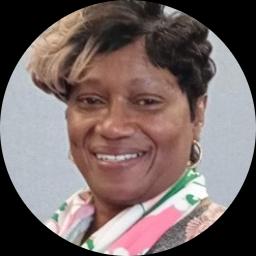
About Wilma
Wilma Davis is a licensed clinical social worker in Texas with 33 years of professional experience. She focuses on common struggles such as stress and anxiety, and provides help for trauma, abuse, bipolar disorder, and depression. Her tone is respectful and down-to-earth, and she aims to create a calm space where people can begin to talk about hard things.
Wilma adjusts conversations and care to fit each person's needs rather than using the same plan for everyone.
Background and approach
She listens for what matters most to the client and builds practical steps that feel manageable. Sessions can include talking through panic symptoms, working on social anxiety, or sorting out career-related stress. She also supports people dealing with communication problems, loneliness, and questions about life purpose.
Wilma helps clients practice small changes that add up over time, like testing new ways to handle conflict or easing into social situations. Her approach is compassionate and patient. She values sensitivity and respect and encourages steady progress at a pace that feels right.
Wilma recognizes that starting therapy can feel scary and affirms that taking the first step is an important move. People who choose her can expect focused, practical conversations about goals and next steps. She tailors plans to each person and reviews them as progress is made.
Her long experience in Texas informs a straightforward style that aims to make therapy useful day to day.
How evidence-based techniques can work online
Wilma uses evidence-based therapeutic techniques that focus on clear skills and steady practice. One common approach she uses teaches people skills to manage anxiety and panic - it breaks down worry into manageable steps and practices breathing and grounding to reduce intense symptoms. Another approach focuses on processing trauma and post-traumatic stress by helping people tell their story at a safe pace and learn coping tools to reduce reactivity.Figuring out which approach fits best is part of the work. The therapist and client will discuss goals, try techniques, and adjust the plan together. That collaborative process helps match methods to what the person needs and prefers.
Online therapy options include video calls, phone sessions, live chat, and text-based messaging to make care more flexible. Video is useful for face-to-face conversation and nonverbal cues, phone calls can work when bandwidth is limited, live chat can be a shorter check-in, and messaging lets someone share concerns between sessions. These choices help fit therapy into busy lives and different schedules.
Questions people ask
What concerns does she help with?
How would you describe her therapy style?
What is her professional background?
Which credentials and location apply?
Are sessions offered in other languages?
Can people outside the US work with her?
What session formats are available?
How are costs handled and how do I start?
What this therapist works with
Most often
- Stress, Anxiety
- Trauma and abuse
- Career difficulties
Also listed
- Experience
- 33 years
- Licensed
- Texas
- Languages
- English
We will earn a commission if you sign up through our link, at no cost to you.