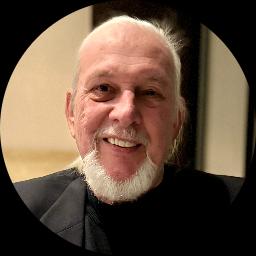
About William
William Teese is a licensed clinical social worker with 25 years of experience helping people manage stress and anxiety. He uses practical talk and clear steps to help clients facing addiction, grief, anger, and major life changes. William works from Florida and speaks English.
He spent seven years at a residential substance abuse treatment program working directly with people facing drug and alcohol addiction and related mood concerns. He also spent time in a medical insurer's Special Needs Program assisting people on Medicare and Medicaid to build daily coping skills and improve quality of life.
Background and approach
William served as a crisis counselor for Military One Source for three years, providing short-term support for people dealing with intense stress. That work shaped his skill at quick problem solving and calm, focused conversations. In sessions he draws on cognitive behavioral techniques and mindfulness practices to help people notice unhelpful thoughts and try new ways of responding.
He keeps plans straightforward and tailored to each person's situation and goals. William prefers to work with adults and young adults where he has the most experience. He aims to treat people with respect, sensitivity, and compassion while helping them move toward clearer thinking and steadier daily routines.
To begin he asks people to complete a short matching questionnaire and then schedule sessions based on availability. He uses a subscription model for sessions that can be canceled at any time.
How CBT and Mindfulness Work Online
William uses cognitive behavioral therapy to help people identify and change patterns of thinking that fuel anxiety and stress. CBT sessions focus on simple, practical exercises such as tracking thoughts, testing assumptions, and trying new behaviors to reduce distress.He also uses mindfulness therapy to teach attention and grounding skills. Mindfulness helps people notice the present moment without judgment, which can reduce the intensity of anxious reactions and improve coping with cravings or strong emotions.
Choosing the right approach is a collaborative process. The therapist will talk with each person about their goals, symptoms, and daily life, then try methods that fit their needs. Adjustments are made over time based on what helps most.
Online formats include video calls, phone sessions, live chat, and text-based messaging. Video allows face-to-face interaction for skill demonstrations. Phone sessions can be shorter check-ins or work better when bandwidth is limited. Live chat and texting let people send quick updates, practice skills between sessions, or fit support into a busy day. These options make therapy easier to schedule and keep consistent for many people.
Questions people ask
What kinds of concerns does he help with?
What is his therapeutic style like?
How much experience does he have?
Where is he licensed and based?
Which languages are supported?
Can people outside the country work with him?
What session formats are available?
How does the subscription and cost work?
What this therapist works with
Most often
- Stress, Anxiety
- Addictions
- Relationship issues
Also listed
- Aging and geriatric issues
- Anger management
- Career difficulties
- Communication problems
- Coping with life changes
- Drug and alcohol addiction
- Family conflicts
- Grief
- Midlife crisis
- Money and financial issues
- Smoking / vaping cessation
- Trauma and abuse
- Veteran and Armed Forces Issues
- Workplace issues
Therapeutic approaches
- Experience
- 25 years
- Licensed
- Florida
- Languages
- English
We will earn a commission if you sign up through our link, at no cost to you.