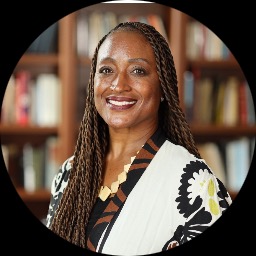
About Umeka
Umeka Franklin is a Licensed Clinical Social Worker (LCSW) with two decades of professional experience. She focuses on helping people who are stressed or anxious and those coping with trauma, low self-esteem, chronic illness, and depression. Her style is warm and respectful, and she aims to meet people where they are.
She uses straightforward conversation to identify what feels most difficult. Sessions are shaped around each person's needs and goals rather than a one-size-fits-all plan.
Background and approach
She talks through practical ways to manage symptoms and build daily routines that feel doable. Her background includes 20 years of work with people facing life changes, long-term health challenges, and workplace strain. That experience informs how she helps people set realistic steps forward and rebuild confidence after setbacks.
In sessions she pays attention to how stress and past hurts affect present life. She helps people name patterns, practice new responses, and try small adjustments that add up over time. Forgiveness, guilt, and isolation are common topics she assists with.
People who choose her can expect a collaborative approach. She will listen, offer options, and adapt methods to fit personal rhythms and responsibilities. The aim is clearer thinking, steadier coping, and gradual improvement in daily functioning.
How evidence-based approaches work online
Many of her methods come from evidence-based therapeutic techniques that focus on clear goals and practical change. One approach emphasizes identifying unhelpful thought patterns and trying alternative ways of thinking; this helps reduce anxiety and manage stress in daily life. Another approach centers on coping skills for trauma and chronic pain, teaching pacing, grounding, and step-by-step routines that reduce overwhelm and improve functioning.Choosing the right approach is a collaborative process. The therapist will talk with the client about problems, goals, and preferences, and then suggest methods to try. Plans are adjusted over time based on what helps most and what fits a person's schedule and energy level.
Online therapy offers flexibility in how sessions happen. Video calls let people see facial cues and do longer, interactive sessions. Phone sessions can be a good option when bandwidth is limited or when someone needs a shorter check-in. Live chat and text-based messaging work well for brief support, quick skill practice, or when writing helps organize thoughts. These options make it easier to fit therapy into busy lives and to keep consistent momentum between sessions.
Questions people ask
What concerns does she commonly address?
What is her therapeutic approach like?
How much experience does she have?
Where is she licensed and based?
Which languages are supported for sessions?
What session formats are available?
How are sessions priced?
How do I begin working with her?
What this therapist works with
Also listed
- Experience
- 20 years
- Licensed
- California
- Languages
- English
We will earn a commission if you sign up through our link, at no cost to you.