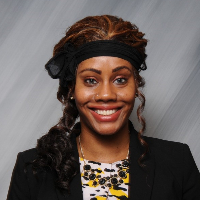
About Tina
Dr. Tina Lott helps people facing anxiety and related concerns who want clear, practical support. She keeps conversations direct and focused on what matters now.
Parents reading on a phone will find straightforward language and a calm approach in each session. She has 11 years of clinical experience and holds LCPC and LMHC credentials. She completed a master's degree in 2011 and a doctorate in Counselor Education and Supervision in 2018.
Background and approach
Her work has included attention to co-occurring disorders and addiction, and she researches stigma connected to mental illness and substance use. In sessions she favors evidence-based approaches that break big problems into small steps. She helps people identify patterns that keep anxiety going and practices new ways to cope.
Conversations often include skill-building, problem solving, and checking what works between appointments. Her background includes teaching counseling at the graduate level and serving on professional boards. That experience informs a structured, informed style that still stays personal.
She also brings experience addressing grief, relationship strain, self-esteem, and issues tied to identity. Outside of work she spends time with her family and enjoys exercise, painting, and reading. That balance influences a practical, life-focused therapy style that aims to fit into busy schedules and real-world demands.
Approaches that meet you where you are
Dr. Lott uses evidence-based techniques that focus on skill building and problem solving. One common approach teaches practical coping skills for anxiety and stress, helping people notice triggers and practice short exercises to reduce intense reactions. Another approach breaks large problems into smaller, achievable steps and uses repeated practice to change unhelpful patterns, which can help with relationship strain, grief, or substance-related concerns.Finding the right approach is a collaborative process. The therapist will discuss options with each person, try strategies together, and adjust methods based on what feels most helpful for the client's goals and preferences. This means experiments, check-ins, and building a plan that fits day-to-day life.
Online therapy is offered through video calls, phone sessions, live chat, and text-based messaging to make care flexible. Video lets people use visual cues and longer conversations, phone can be a good shorter check-in or when bandwidth is limited, live chat allows back-and-forth in writing, and text messaging supports brief updates or coping reminders between sessions. These options help fit therapy into work, school, or family routines while keeping focus on progress and practical tools.
Questions people ask
What concerns does this therapist help with?
What is the general therapy style used in sessions?
What experience does the therapist have?
What credentials and location are listed?
Which languages and international arrangements are supported?
How are therapy sessions delivered?
How does pricing work for sessions?
What are the first steps to begin working together?
What this therapist works with
Most often
- Addictions
- Relationship issues
- Trauma and abuse
Also listed
- Abandonment
- Anger management
- Bipolar disorder
- Codependency
- Control issues
- Depression
- Eating disorders
- Family conflicts
- Grief
- Intimacy-related issues
- LGBT
- Parenting issues
- Self esteem
- Self-love
- Sleeping disorders
- Stress, Anxiety
- Experience
- 11 years
- Licensed
- Illinois, Arizona, Washington
- Languages
- English
We will earn a commission if you sign up through our link, at no cost to you.