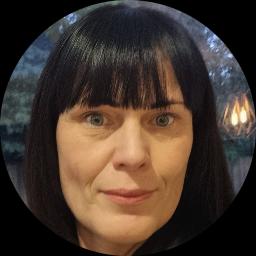
About Tania
Dr. Tania Muthen is a Chartered consultant psychologist registered with the Health and Care Professions Council (HCPC). She has 16 years of clinical experience and works with people facing anxiety, stress and mood difficulties.
Her background spans independent practice and hospital settings, so she is used to helping with complex emotional concerns. She brings together different therapeutic ideas to build a shared plan with each person. Sessions focus on practical ways to manage symptoms and on understanding the patterns behind them.
Background and approach
She commonly uses Cognitive-Behavioural Therapy, Person-Centred Therapy, Dialectical Behaviour Therapy and Narrative Therapy as tools in this work. Her clinical history includes roles in in-patient mental health rehabilitation, leadership in a government hospital in South Africa, and therapy work in medical and oncology settings. That experience informs how she supports people through life changes and medical diagnoses.
It also shapes her approach to mood disorders and grief. People often seek her help for depression, bipolar difficulties, panic attacks, post-traumatic stress and social anxiety. She also helps with anger, relationship problems, guilt and shame, and feelings of isolation.
In sessions she aims to help people develop self-compassion and clearer ways of relating to themselves and others. If someone feels overwhelmed, she offers a steady, goal-focused space to reflect, practise skills and make changes. Her work balances symptom management with exploring the personal story behind symptoms.
How evidence-based approaches work online
CBT, or Cognitive-Behavioural Therapy, looks at the link between thoughts, feelings and actions and teaches straightforward techniques to reduce anxiety and panic symptoms. It is practical and skill-based, so it adapts well to talking and exercises over video or messaging.Person-Centred Therapy focuses on empathy and the therapeutic relationship, giving people space to talk and be heard while they make their own changes. This approach can be helpful when someone needs time to process grief, guilt or identity shifts.
Finding the right approach is part of the work together. The therapist will discuss goals, preferences and what feels most useful, and then try methods that fit the person's situation. That collaborative process helps tailor sessions to real-life needs.
Online therapy offers several practical benefits. Video calls allow face-to-face conversation and visual cues, while phone sessions can be easier when bandwidth is limited or a shorter check-in is needed. Live chat and text messaging suit people who prefer to write, want brief reflections between sessions, or need flexibility around work and family commitments. These options make it easier to keep continuity of care and to fit therapy into a busy life.
Questions people ask
What kinds of concerns does this therapist help with?
What is the therapist's general approach in sessions?
How much clinical experience does she have?
What credentials and region are associated with this therapist?
Which languages are offered for therapy sessions?
Can people outside the UK work with her?
What session formats are available online?
How are fees and the subscription handled?
What this therapist works with
Most often
- Stress, Anxiety
- Relationship issues
- Anger management
Also listed
- Experience
- 16 years
- Licensed
- Languages
- English
We will earn a commission if you sign up through our link, at no cost to you.