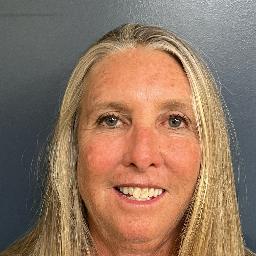
About Susan
Dr. Susan Fleming is a licensed marriage and family therapist with 18 years of clinical experience. She practices in California and helps people cope with anxiety, stress, addiction, relationship strain, and depression.
Her approach feels straightforward and focused on practical steps people can use right away. She listens first to understand what is most worrying someone now. Then she and the client pick a few clear goals and try small, doable changes between sessions.
Background and approach
Sessions often include simple tools for managing strong emotions and improving day-to-day communication. Dr. Fleming uses methods drawn from cognitive behavioral therapy and emotionally-focused work to tackle unhelpful thinking and to strengthen emotional connection.
She pays careful attention to social anxiety, phobias, loneliness, and problems with self-worth. Communication problems are addressed with concrete skills people can practice at home. When addiction or depressive symptoms are present, she focuses on coping plans and rebuilding routine and meaning.
For relationship concerns she helps couples notice patterns that cause hurt and tries to replace them with clearer interaction styles. The tone in sessions is steady, practical, and collaborative. People who prefer clear guidance and step-by-step practice often find this approach useful.
Sessions can include talk, skill-building, and short exercises tailored to each person’s situation.
Therapeutic approaches and online options
Dr. Fleming commonly uses cognitive behavioral therapy and emotionally-focused therapy in her online work. Cognitive behavioral therapy (CBT) focuses on identifying unhelpful thoughts and testing them with practical experiments, which can reduce anxiety and improve mood. Emotionally-focused therapy (EFT) helps people notice and name feelings, and it aims to shift patterns in close relationships so interactions become more supported and responsive.Finding the right approach is part of the work together. She will discuss goals, preferences, and what feels most helpful, then try different techniques collaboratively until a good fit emerges. Clients help set priorities and track progress along the way.
Online therapy options include video calls, phone sessions, live chat, and text-based messaging. Video lets people use visual cues for emotional work and couples sessions, phone can be lower bandwidth and easier on busy days, chat is useful for quick check-ins, and messages or text work well for short reflections and between-session support. These options make scheduling more flexible and let people fit therapy into busy lives.
Questions people ask
What kinds of concerns does she help with?
What is her therapy style like?
How much clinical experience does she have?
What are her credentials and where is she based?
Which languages are supported for sessions?
How are sessions delivered online?
How does billing and cost work?
What are the steps to begin working with her?
What this therapist works with
Most often
- Stress, Anxiety
- Addictions
- Relationship issues
Also listed
Therapeutic approaches
- Experience
- 18 years
- Licensed
- California
- Languages
- English
We will earn a commission if you sign up through our link, at no cost to you.