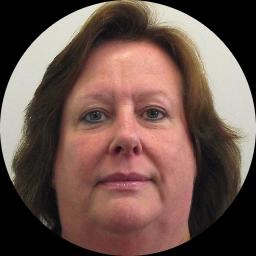
About Susan
Susan Clarke is a counsellor who trained and practices in the United Kingdom. She has three years of professional experience and focuses on helping people manage stress, anxiety and low mood. She also supports people dealing with anger, low self-esteem and life transitions.
Susan aims to make the first steps feel less daunting. She creates an open space where people can talk about thoughts and feelings without fear of being judged.
Background and approach
Sessions are straightforward and practical, aimed at small, achievable changes rather than rushed fixes. In her work she pays attention to relationships and how past experiences shape current reactions. She helps people understand patterns like abandonment or attachment worries and how these affect trust and closeness.
Communication difficulties and workplace strain are also common topics of conversation. Susan offers support around identity and women’s issues, including LGBT concerns and caregiver stress. She also helps people facing isolation, low self-love, or encounters with narcissistic behaviour.
These themes are explored at a pace the client feels comfortable with. Her approach is collaborative: she listens, suggests practical strategies, and reviews progress together. The intention is to boost coping skills, increase confidence and create clearer choices for daily life.
For many people this leads to steadier mood and better ways to handle pressure.
Therapeutic methods and online support
Two commonly used evidence-based approaches are practical problem-solving and exploring relationship patterns. Practical problem-solving focuses on identifying specific difficulties, breaking them into manageable steps and testing small changes that reduce daily stress and anxiety. Exploring relationship patterns looks at how past attachments influence current reactions and helps people notice recurring habits in communication and trust.Finding the right approach is part of the work. The therapist will talk with each person about goals, preferences and what feels most helpful. Together they decide which techniques to try and check progress as they go, adjusting the plan where needed.
Online sessions offer flexibility and choice. Video calls suit in-depth conversations and visual connection. Phone sessions can be easier when less bandwidth is available or a quick check-in is needed. Live chat and text-based messaging are useful for shorter reflections between appointments or when someone prefers typing to speaking. These options help fit therapy around work, caregiving or travel without losing continuity of care.
Questions people ask
What concerns does this counsellor address?
What is the counselling style like?
How much experience does she have?
What credentials and region are listed?
In which languages can I speak with her?
What session formats are available?
How are sessions priced?
How do I begin working with her?
What this therapist works with
Most often
- Stress, Anxiety
- Anger management
- Self esteem
Also listed
- Abandonment
- Attachment issues
- Caregiver issues and stress
- Communication problems
- Coping with life changes
- Depression
- Family conflicts
- Isolation / loneliness
- LGBT
- Narcissism
- Relationship issues
- Self-love
- Women's issues
- Workplace issues
- Experience
- 3 years
- Licensed
- Languages
- English
We will earn a commission if you sign up through our link, at no cost to you.