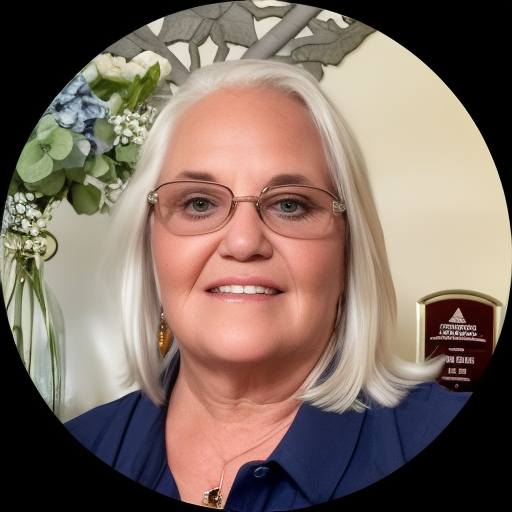
About Sheryl
Sheryl McAlhaney is a licensed professional counselor who helps people feeling overwhelmed by stress and anxiety. She writes and talks plainly with clients about day-to-day struggles like self-doubt, overthinking, and the pressure to keep appearing fine for others. Her first priority is helping someone feel heard and understood in the moment.
She draws on 15 years of practice as a South Carolina LPC to shape conversations and plans around each person's needs.
Background and approach
Sessions focus on clear steps and small changes that people can try between meetings. Cognitive Behavioral Therapy is part of her approach, used to identify unhelpful thinking and test new behaviors. Sheryl works with people coping with life changes, grief, anger, career concerns, depression, and compassion fatigue.
She also addresses communication problems, feelings of guilt or shame, loneliness, and questions about life purpose and self-love. Social anxiety and phobia are other areas she supports. Her style is direct but compassionate.
She aims to create practical strategies for managing stress, improving self-esteem, and handling difficult emotions. Conversations often include goal setting, thought work, and skills practice to make day-to-day life more manageable. Sessions are offered in English and tailored to fit each person's schedule and preferences.
Sheryl guides clients through a step-by-step process to find what works, adjusting plans as needs change. Her background and steady approach are meant to help people move forward one step at a time.
How CBT and online sessions work together
Sheryl uses Cognitive Behavioral Therapy to help people notice patterns of thought that feed anxiety and stress. CBT focuses on identifying unhelpful thoughts and trying small behavioral changes to see what actually helps in daily life. This approach tends to be action-focused and works well for worries, social anxiety, and low mood.Finding the right approach is part of the work. She will collaborate with each person to choose techniques that fit their goals, needs, and preferences. Together they track what helps and adjust the plan over time so sessions stay useful and relevant.
Online formats include video calls, phone sessions, live chat, and text-based messaging to make therapy more flexible. Video is useful for longer conversations and skill practice, while phone calls can be easier when bandwidth is limited. Live chat and text messaging allow for shorter check-ins or quick coping strategies between sessions. These options make it easier to fit therapy into a busy life and to keep momentum between appointments.
Questions people ask
What concerns does she help address?
What is her therapeutic style like?
How long has she been practicing?
What credentials and location are listed?
Can I have sessions in another language or from another country?
What formats are available for sessions?
How does payment and cost work?
How do I get started with therapy?
What this therapist works with
Also listed
Therapeutic approaches
- Experience
- 15 years
- Licensed
- South Carolina
- Languages
- English
We will earn a commission if you sign up through our link, at no cost to you.