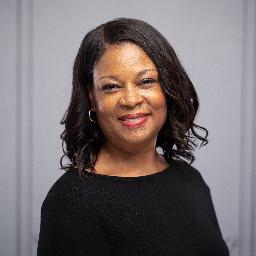
About Sherry
Dr. Sherry Bland is a licensed clinical mental health counselor (LCMHC) based in North Carolina who focuses on helping people manage anxiety and stress. She brings 11 years of experience and a straightforward, compassionate style to sessions.
People often come to her when feeling overwhelmed, stuck, or unsure how to move forward. She works in a collaborative way. That means she listens first, then helps set clear, achievable goals together.
Background and approach
Sessions often focus on practical skills for managing strong emotions, improving sleep and eating patterns, and handling relationship strain. Her approach draws on several common methods, mixed to suit each person. Cognitive behavioral techniques are used to spot and change unhelpful thinking.
Mindfulness helps people notice and calm their bodies and minds. She also uses client-centered and solution-focused steps to build momentum and clarify next actions. Dr.
Bland has a history of supporting people after trauma, grief, and major life changes. She also works with concerns like bipolar mood shifts, ADHD, anger, and compassion fatigue. She aims to make the work understandable and useful in day-to-day life.
In sessions she encourages honest talk and practical experiments between appointments. People leave with specific tools they can try right away. Her goal is to help clients feel more capable of handling anxiety and the challenges that follow it.
How therapeutic approaches translate to online care
Client-centered therapy focuses on listening and understanding your experience. Online sessions let the therapist reflect your concerns, help you set goals, and adjust the pace to what feels right. Cognitive Behavioral Therapy (CBT) targets unhelpful thinking and behavior patterns with clear exercises and homework. In an online visit you can learn simple CBT skills, try them between sessions, and review what worked. Mindfulness Therapy teaches attention and breathing practices to reduce reactivity and soothe anxiety. These practices can be guided over video or described in text for short daily practice.Choosing the right mix of approaches is part of the work together. The therapist will talk with you about your goals, try methods that match your needs, and change course when something is not helping. That collaborative process helps create a plan that fits your life and your preferences.
Online formats offer practical benefits for many people. Video calls recreate face-to-face conversation and are good for teaching skills. Phone sessions use less bandwidth and can be easier when you prefer not to be on camera. Live chat and text-based messaging allow for brief check-ins, quick problem-solving, or ongoing support between longer sessions. These options make it easier to fit therapy into a busy schedule while using the approaches described above.
Questions people ask
What kinds of problems does she help with?
What is her therapeutic style like?
How much experience does she have?
Where is she licensed and located?
Which languages are sessions offered in?
Can people outside the U.S. work with her?
What formats are available for sessions?
How does payment and starting therapy work?
What this therapist works with
Most often
Also listed
- ADHD
- Anger management
- Bipolar disorder
- Career difficulties
- Coaching
- Compassion fatigue
- Coping with life changes
- Eating disorders
- Family conflicts
- Grief
- Infidelity
- Intimacy-related issues
- Parenting issues
- Relationship issues
- Self esteem
- Self-love
- Sleeping disorders
- Social anxiety and phobia
- Trauma and abuse
- Veteran and Armed Forces Issues
Therapeutic approaches
- Experience
- 11 years
- Licensed
- North Carolina
- Languages
- English
We will earn a commission if you sign up through our link, at no cost to you.