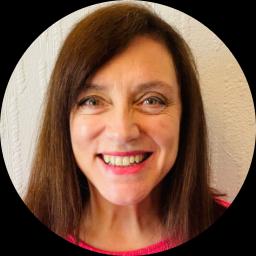
About Sheira
Sheira Byrne is a counsellor who focuses on helping people manage stress and anxiety. She works with people facing trauma and abuse, grief and loss, low self-esteem, depression and addictive behaviours. Her style is calm and respectful, and she aims to make conversations straightforward and easy to follow.
Sheira uses an integrative approach that adapts to each person's needs rather than a fixed method. In practice that means she listens first, helps people talk through their experiences, and then offers ways to cope that fit everyday life.
Background and approach
Sessions often include practical coping tools and time to reflect on what matters most. Clients can expect a warm, non-judgemental space to look at difficult feelings. Sheira emphasises small, manageable steps - for example working on breathing and grounding for panic, or building routines when motivation is low.
She also supports people dealing with relationship issues, attachment concerns and issues such as shame or guilt. Sheira trained and works in the United Kingdom and holds BACP and NCPS credentials. She has three years of professional experience and speaks English.
She accepts international clients and offers a range of online session formats to fit different needs. Her practical aim is to help people regain balance and move forward after hard experiences. If someone finds it difficult to cope day to day, she provides steady support and clear options for change.
How Sheira adapts therapy online and by approach
Sheira commonly uses an integrative mix of evidence-based techniques tailored to each person. That might include brief cognitive strategies to spot unhelpful thinking and try alternative responses, which can help with anxiety and low mood. It can also involve grounding and stabilisation techniques to manage panic or trauma symptoms, giving simple tools people can use when feelings become intense.Choosing the right approach is a collaborative process. Sheira will work with people to identify goals, try methods that fit their needs, and adjust the plan if something does not feel helpful. The emphasis is on practical steps and clear explanations so progress is easy to see.
Online sessions are offered by video call, phone, live chat or text-based messaging. Video calls suit in-depth work and visual connection, while phone sessions need less bandwidth and can be easier to fit into a busy day. Live chat and messaging work well for shorter check-ins, written reflection or when someone prefers not to be on camera. These options make it easier to keep continuity of care and to schedule sessions around work, travel or family commitments.
Questions people ask
What issues does she specialise in?
How would she describe her therapeutic style?
What is her professional background?
Which credentials does she hold and where does she work?
Can sessions be offered in other languages or internationally?
What session formats are available?
How are fees and payments organised?
What are the first steps to begin therapy?
What this therapist works with
Most often
Also listed
- Addictions
- Anger management
- Attachment issues
- Avoidant personality
- Blended family issues
- Codependency
- Commitment issues
- Communication problems
- Coping with life changes
- Depression
- Eating disorders
- Family problems
- Guilt and shame
- Hoarding
- Jealousy
- Parenting issues
- Post-traumatic stress
- Process addiction (porn, exercise, gambling)
- Relationship issues
- Self esteem
- Self-harm
- Sex addiction
- Sexual assault and abuse
- Experience
- 3 years
- Licensed
- Languages
- English
We will earn a commission if you sign up through our link, at no cost to you.