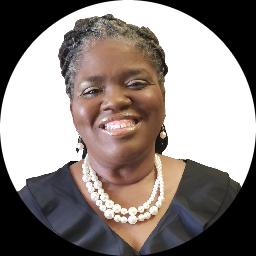
About Shaletha
Shaletha Robinson is a Licensed Professional Counselor who helps people manage stress, anxiety, grief, and low self-esteem. She emphasizes straightforward support and a calm presence for those taking a first step toward change. She creates a welcoming space where people can share thoughts and feelings without judgment.
Sessions focus on what matters most to each person, whether that is coping after loss, processing trauma, or rebuilding confidence. Her work draws on client-centered methods that prioritize the person’s goals and experience.
Background and approach
She also uses Cognitive Behavioral Therapy to identify unhelpful thoughts and build practical skills. For people navigating traumatic memories, she integrates EMDR techniques as an option in treatment. Over four years of practice in Texas, she has guided people through difficult transitions and painful events.
She pays attention to cultural and identity factors that shape how people experience stress and isolation. In sessions she listens, reflects, and helps set clear, achievable steps. The focus is on small changes that add up to better daily functioning and stronger self-trust.
She supports people who want steady, practical progress toward feeling more grounded.
How her approaches work online
Client-centered therapy focuses on listening and responding to each person's goals. It means the therapist follows the person's lead, reflects what they say, and helps them decide what matters most to work on. This approach helps when someone needs a steady, understanding presence rather than a one-size-fits-all plan.Cognitive Behavioral Therapy, or CBT, looks at how thoughts affect feelings and actions. Sessions include practical exercises and simple skill-building to interrupt unhelpful thinking and develop healthier habits. CBT is often used for anxiety, stress, and mood concerns because it offers clear tools to practice between sessions.
EMDR is another option she may use for processing traumatic memories. It involves structured sessions that help reduce the intensity of painful memories and the distress they cause. EMDR can be useful when trauma symptoms continue to affect daily life.
Finding the right approach is collaborative. She will talk with each person about goals, preferences, and what feels most useful. Together they decide whether to focus on client-centered support, CBT skills, EMDR work, or a mix of methods.
Online therapy offers flexibility and easier access to care. Video calls let people work face to face without travel. Phone sessions are helpful when bandwidth or a camera isn’t an option. Live chat and text-based messaging allow short check-ins, ongoing encouragement, or support between longer sessions. These options make it easier to fit therapy into busy schedules.
Questions people ask
What concerns does she commonly help with?
What is her general approach in sessions?
How much clinical experience does she have?
What credentials and region does she hold?
Can sessions be conducted in other languages or internationally?
Which session formats are available?
How are costs handled for sessions?
What are the steps to start therapy?
What this therapist works with
Most often
Also listed
Therapeutic approaches
- Experience
- 4 years
- Licensed
- Texas
- Languages
- English
We will earn a commission if you sign up through our link, at no cost to you.