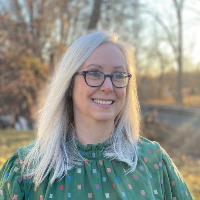
About Sarah
Sarah DuVall Murray is a Licensed Clinical Social Worker in New Jersey with 12 years of practice. She focuses on helping adults who are managing stress, anxiety, depression, grief, and big life changes. Sarah listens without judgment and works together with people to make practical shifts that fit their lives.
She keeps sessions grounded and straightforward. Sarah often mixes clear skills training with time to talk about the stories that shape how someone copes.
Background and approach
She uses tools from Cognitive Behavioral Therapy and Dialectical Behavior Therapy alongside psychodynamic ideas to help people understand patterns and learn new ways of responding. Sarah brings both outpatient and inpatient experience to her work. She has also worked in psychiatric emergency services and community mental health settings, including supporting adults with serious mental illness.
That range gives her familiarity with different types of stress and crisis situations. In sessions she shares readable articles, books, and other resources when helpful. Her goal is to help people tolerate difficult feelings, reduce unhelpful patterns, and find meaning in life transitions rather than promising to remove all distress.
She aims for a collaborative relationship built on acceptance and compassion. People who prefer clear, practical strategies alongside deeper reflection often find her approach useful. She offers video calls, phone sessions, live chat, and text-based messaging to fit different schedules and needs.
Evidence-informed approaches for online care
Sarah commonly uses Cognitive Behavioral Therapy and Dialectical Behavior Therapy in her online work. CBT focuses on identifying unhelpful thoughts and testing new ways of thinking and behaving to reduce anxiety and low mood. DBT teaches practical skills for emotion regulation, distress tolerance, and clearer communication when feelings run high.Choosing the best approach is part of the work together. She collaborates with each person to match methods to their goals, needs, and preferences and adjusts the plan as progress unfolds. That collaborative process helps people move from coping in the moment to building longer-term patterns that feel sustainable.
Online formats include video calls, phone sessions, live chat, and text-based messaging. Video calls allow longer face-to-face conversations and skills practice. Phone sessions can be useful when bandwidth or camera use is limited. Live chat and text sessions offer brief check-ins and flexibility for busy days or when a shorter touchpoint helps maintain momentum. These options make it easier to fit therapy into work, caregiving, or medical schedules while using the same clinical approaches she practices in person.
Questions people ask
What issues does she help with?
What is her general approach in sessions?
How much clinical experience does she have?
What are her credentials and where is she based?
Which languages are offered for sessions?
Can people outside the U.S. work with her?
What session formats are available?
How are costs and starting therapy handled?
What this therapist works with
Also listed
- Anger management
- Bipolar disorder
- Caregiver issues and stress
- Chronic pain, illness, and disability
- Communication problems
- Compassion fatigue
- Family conflicts
- Family of origin issues
- Family problems
- Forgiveness
- Grief
- Life purpose
- Mood disorders
- Parenting issues
- Relationship issues
- Self esteem
- Trauma and abuse
- Young adult issues
Therapeutic approaches
- Experience
- 12 years
- Licensed
- New Jersey
- Languages
- English
We will earn a commission if you sign up through our link, at no cost to you.