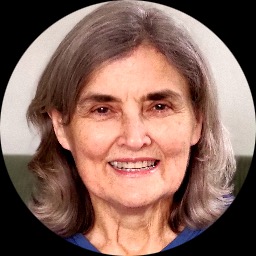
About Sandra
Dr. Sandra Moreland is a licensed psychologist based in Oregon with 15 years of clinical experience. She holds a doctorate degree in psychology and focuses on helping adults who struggle with stress, anxiety, depression, grief, and self-esteem challenges.
Her work emphasizes practical steps that can be used each day. She helps people build skills to manage panic attacks, social anxiety, persistent low mood, and life transitions. She also supports those coping with chronic illness, pain, aging concerns, and loneliness.
Background and approach
In sessions she draws on familiar approaches: Acceptance and Commitment Therapy (ACT), Cognitive Behavioral Therapy (CBT), mindfulness practices, and psychodynamic ideas. These methods are used to help people notice difficult thoughts, shift unhelpful behavior patterns, and reconnect with what matters to them. She aims to be compassionate and nonjudgmental.
Therapy is collaborative - goals are set together and strategies are tailored to each person’s situation. That can include learning new coping skills, practicing mindfulness techniques, and understanding how past experiences shape current feelings. Dr.
Moreland works with adults across a range of concerns including panic disorder and mood issues. Sessions focus on clear steps and steady progress, not on jargon. The pace is set by the person seeking help, with attention to their priorities and everyday life needs.
Practical therapy approaches for online care
Acceptance and Commitment Therapy (ACT) helps people notice their thoughts and choose actions that reflect their values. It supports moving toward meaningful goals even when anxiety or difficult emotions are present. Cognitive Behavioral Therapy (CBT) focuses on identifying unhelpful thinking and testing new behaviors. It is often used for panic, social anxiety, and mood problems to teach clear coping skills.Finding the right approach is a shared process. The therapist will discuss what feels most helpful and try different strategies based on the person's goals and preferences. Progress is measured together, and plans are adjusted to fit changing needs.
Online sessions include video calls, phone sessions, live chat, and text-based messaging to match varying schedules and comfort levels. Video allows face-to-face interaction for skill practice, phone can work well when bandwidth is limited, and messaging or chat can support short check-ins or ongoing skill reminders. These options make therapy more flexible and easier to fit into a busy life.
Questions people ask
What concerns does this therapist commonly address?
What is the therapeutic style and approach?
How much clinical experience does she have?
What credentials and location are listed for this clinician?
Which languages are supported for sessions?
What session formats are available?
How is cost handled for sessions?
How do I begin working with this therapist?
What this therapist works with
Most often
Also listed
Therapeutic approaches
- Experience
- 15 years
- Licensed
- Oregon
- Languages
- English
We will earn a commission if you sign up through our link, at no cost to you.