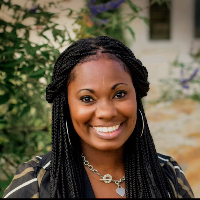
About Rachel
Rachel Portlock is a Licensed Professional Counselor (LPC) based in Texas. She brings three years of counseling experience and focuses on helping people who are dealing with stress and anxiety. Rachel aims to make sessions calm and straightforward so clients can get practical help without extra fuss.
Rachel creates a welcoming, nonjudgmental space where clients set the agenda. She listens first, then works with each person to identify small, doable steps toward change.
Background and approach
That might include setting clearer boundaries, building coping skills, or planning goals that fit daily life. Her approach draws on client-centered methods, cognitive behavioral techniques, and solution-focused strategies. She adapts these methods to what a person needs, combining thought-focused tools with short-term problem solving.
Rachel uses plain language and hands-on exercises rather than jargon. Sessions can cover a range of concerns including parenting stress, grief, relationship strain related to intimacy, anger, depression, trauma and abuse, compassion fatigue, and life transitions. She also supports people working on self-esteem and general coping skills.
Rachel frames work as a partnership and keeps goals specific and measurable. Clients connect by video calls, phone, live chat, or text messaging. The subscription-based session model can be canceled at any time.
To begin, a short matching questionnaire is completed and scheduling is set according to therapist availability.
How her approaches work online
Rachel uses client-centered therapy and cognitive behavioral therapy as core tools in online sessions. Client-centered therapy emphasizes listening and following the client’s lead, helping people feel understood and guiding them to discover their own solutions. Cognitive behavioral therapy helps identify unhelpful thoughts and test new behaviors, which is useful for anxiety, low mood, and ongoing stress.She also draws on solution-focused therapy to keep work practical and goal-directed. That approach zeroes in on what’s already working and builds small steps toward clear goals. In the first few sessions she will collaborate with clients to choose which approaches fit their needs and preferences, adjusting the plan as progress is made.
Online formats include video calls, phone sessions, live chat, and text-based messaging. Video is helpful for a full conversation and visual cues. Phone sessions can work when bandwidth or camera use is difficult. Live chat and text messaging suit brief check-ins, quick coaching, or when a written record of tools and steps is helpful. These options make it easier to fit sessions into busy schedules and access support from different locations.
Questions people ask
What concerns does Rachel commonly address?
How would you describe her therapeutic style?
How much clinical experience does she have?
What are her credentials and location?
Can sessions be conducted in other languages or internationally?
What session formats are available?
How do costs and billing work?
How do I begin therapy with her?
What this therapist works with
Most often
- Stress, Anxiety
- Family conflicts
- Parenting issues
Also listed
Therapeutic approaches
- Experience
- 3 years
- Licensed
- Texas
- Languages
- English
We will earn a commission if you sign up through our link, at no cost to you.