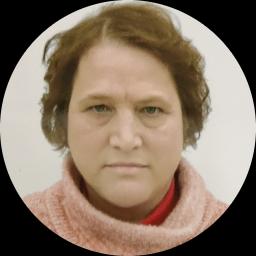
About Patricia
Patricia Bailey is a licensed Marriage and Family Therapist (LMFT) based in Washington who helps people facing stress, anxiety, depression, and relationship concerns. She also supports people dealing with parenting challenges, communication problems, divorce and separation, family problems, and fatherhood issues. She speaks English and brings four years of clinical experience to her work.
Her approach centers on listening first and adapting to each person's needs. Sessions focus on practical steps and conversation that fit daily life.
Background and approach
She aims to make therapy straightforward and respectful, with attention to emotions and thoughts that influence behavior. Patricia blends techniques from cognitive behavioral work and emotionally-focused methods with tools from the Gottman Method and mindfulness. She uses these tools to help people notice unhelpful patterns, practice new ways of handling stress, and improve communication.
Motivational interviewing and narrative ideas also appear when they help clients clarify goals and personal stories. In sessions she outlines clear goals and works with clients to try small changes between meetings. She emphasizes skills people can use right away, such as breathing and brief cognitive strategies, alongside relationship-focused exercises when appropriate.
Patricia aims to make steps feel manageable. She encourages people to take the first step and complete the intake process. Getting started involves a short matching questionnaire and scheduling a first session.
Patricia looks forward to working with people who want practical help with anxiety, stress, and relationship strain.
How therapy approaches translate to online sessions
CBT, or cognitive behavioral therapy, focuses on identifying thoughts and behaviors that feed anxiety and stress, then practicing small changes that lead to different feelings. It works well for worry, panic, low mood, and everyday stress. EFT, or emotionally-focused therapy, pays attention to emotional patterns in close relationships and helps people notice and shift how they respond to strong feelings during conflicts. This approach can help when communication breaks down or when partners feel distant.Choosing the best approach is a collaborative process. The therapist will talk through your goals, try different techniques, and adjust what you work on based on what helps. Together you decide if more skills-focused work, emotion-focused exercises, or a mix will fit your needs and preferences.
Online formats make it easier to fit therapy into a busy life. Video calls let you work face-to-face from wherever you are. Phone sessions can be a good option when bandwidth is limited or when a quieter check-in is needed. Live chat and text-based messaging offer brief, flexible ways to check in between sessions or to get support without scheduling a full call.
Questions people ask
What concerns does Patricia address?
What is her general therapy style?
How much clinical experience does she have?
What credentials and location are on file?
Which languages are supported and are international clients accepted?
What session formats are offered?
How does pricing work for sessions?
How do I begin therapy with Patricia?
What this therapist works with
Most often
- Stress, Anxiety
- Relationship issues
- Family conflicts
Also listed
- Communication problems
- Depression
- Divorce and separation
- Family problems
- Fatherhood issues
- Parenting issues
Therapeutic approaches
- Experience
- 4 years
- Licensed
- Washington
- Languages
- English
We will earn a commission if you sign up through our link, at no cost to you.