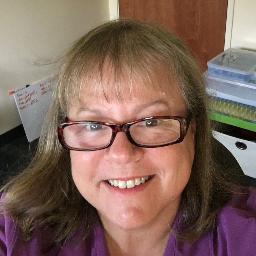
About Pamela
Pamela Chapman is a licensed marriage and family therapist who brings 39 years of clinical experience to her work. She focuses on stress, anxiety, relationship concerns, trauma and abuse, grief, and depression. Pamela offers a calm, respectful approach and meets people where they are.
Her sessions are practical and straightforward. She listens first, then tailors conversation and goals to each person's needs. Pamela helps clients name what feels overwhelming and tries small, doable steps to reduce anxiety and lift mood.
Background and approach
Pamela has worked in California settings for decades and uses what she has learned to guide clear, steady sessions. She pays attention to communication patterns and the effects of guilt, shame, or isolation on daily life. Issues such as panic attacks, post-traumatic stress, and sexuality are included in her focus.
Therapy with Pamela emphasizes collaboration. She and the person in therapy set attainable goals together and adjust the plan as progress is made. She keeps the conversation direct and compassionate so people can try new ways of coping without feeling judged.
People who choose Pamela often want a therapist who will explain things plainly and work at a manageable pace. She encourages asking questions about approach and next steps. Taking the first step can be hard, and Pamela aims to make the process feel steady and understandable.
Evidence-based techniques and online access
Pamela uses evidence-based therapeutic techniques to address anxiety and related concerns in clear, practical terms. One common approach focuses on learning skills to manage anxious thoughts and bodily reactions - skills that help reduce panic attacks and day-to-day worry. Another approach addresses the effects of trauma and post-traumatic stress by helping people process difficult memories and build coping strategies to reduce overwhelm.Choosing the right approach is a collaborative process. Pamela works with each person to identify goals and then tries methods that fit those goals and preferences. She checks in about progress and adjusts the plan so treatment stays relevant to what the person needs.
Online sessions offer flexibility for people juggling work, family, or other demands. Video calls allow face-to-face conversation when that helps. Phone sessions are useful when bandwidth is limited or a shorter check-in is needed. Live chat and text messaging let people send shorter updates, ask questions between sessions, or work through thoughts in writing. These options make it easier to fit therapy into a busy life while keeping the focus on steady progress.
Questions people ask
What kinds of concerns does she address?
What is her style in sessions?
How long has she been practicing?
What are her credentials and where is she located?
Which languages are offered for sessions?
Can people outside the U.S. work with her?
What formats are available for therapy?
How are sessions paid for and how do I begin?
What this therapist works with
Most often
- Stress, Anxiety
- Relationship issues
- Trauma and abuse
Also listed
- Experience
- 39 years
- Licensed
- California
- Languages
- English
We will earn a commission if you sign up through our link, at no cost to you.