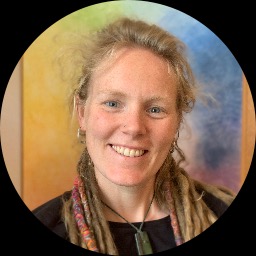
About Miranda
Miranda Coe Jaynes is a counsellor who helps people manage stress and anxiety, relationship strain, grief, low self-esteem and life changes. She uses creative arts as a way to express what words alone can’t. Miranda holds BACP accreditation and draws on four years of professional experience in the UK.
Her way of working blends talking with creative practice. Sessions often include drawing, collage or other art activities alongside conversation. These methods aim to make feelings visible so they can be looked at and understood more clearly.
Background and approach
The approach is person-centred and humanistic, with an emphasis on self-development and responsibility. Miranda supports people to recognise their strengths and choices. She encourages exploration of what feels authentic to each person.
Miranda also describes a transpersonal perspective that considers spiritual, social, intellectual, emotional and physical aspects of a person. This broad view is used when clients want to explore meaning, purpose or a deeper sense of wholeness alongside everyday problems. Sessions are offered in English and are available via video calls, telephone, live chat or text messaging.
Practical arrangements are handled through a subscription model that can be cancelled at any time. To begin, a short matching questionnaire is completed and an appointment is scheduled according to the therapist’s availability. Miranda aims for an open, non-judgemental space where people can try different ways to express themselves and work through difficult moments.
How creative approaches translate to online therapy
Miranda uses creative arts alongside humanistic, person-centred work. Creative arts therapy brings materials and simple activities into a conversation to help people express feelings that are hard to name. It can help with anxiety, grief and low self-esteem by externalising emotions so they can be reflected on.Her transpersonal perspective looks beyond everyday identity to include spiritual, social and emotional aspects of a person. That approach can support people exploring meaning, purpose or deeper patterns that affect stress and relationships. Both creative and transpersonal work are adapted for online sessions so the activities stay practical and focused on what the client wants to achieve.
Finding the right approach is part of the work. The therapist will discuss goals, preferences and practical needs together and try methods that fit the client. This collaborative process helps decide whether talking, art activities or a mix of both feels most useful.
Online formats include video calls, phone sessions, live chat and text messaging. Video calls allow real-time art sharing and face-to-face conversation. Phone sessions use less bandwidth and can suit short check-ins. Live chat and text messaging give a flexible way to reflect between sessions and keep therapy going when scheduling is tight. These options make it easier to access help while fitting therapy around daily life.
Questions people ask
What concerns does she support?
How would she describe her therapeutic style?
What is her professional background?
What credentials and location are on record?
Which languages are supported and can people overseas join?
What session formats are available?
How does payment and cost work?
What steps start the process?
What this therapist works with
Most often
- Stress, Anxiety
- Relationship issues
- Grief
Also listed
- Experience
- 4 years
- Licensed
- Languages
- English
We will earn a commission if you sign up through our link, at no cost to you.