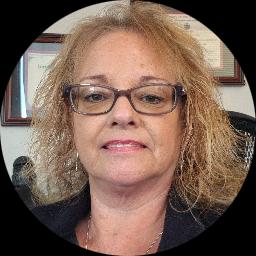
About Michelle
Michelle Nitschke is a Licensed Mental Health Counselor in New York with three decades of clinical experience. She helps people who struggle with stress, anxiety, depression, relationship troubles, trauma and abuse, and anger. Her approach treats each person as the expert on their own life while offering guidance and practical skills.
Michelle focuses on listening first and then building on a person's existing strengths. Sessions tend to be straightforward and collaborative.
Background and approach
She aims to help people feel more in control of their emotions and clearer about their next steps. Her work draws on methods that pay attention to emotional bonds and day-to-day thinking patterns. She blends approaches that explore how relationships shape feelings with tools that change unhelpful thoughts and reactions.
This mix helps when old patterns keep repeating or when traumatic events affect daily life. Michelle emphasizes a calm, respectful atmosphere where questions and honest talk are welcome. She encourages small, achievable changes and uses exercises people can try between sessions.
The goal is steady progress rather than sudden fixes. With many years of practice in New York, Michelle brings steady experience to common, painful issues. She supports people through practical steps, emotional understanding, and clearer relationship skills.
Her style is warm, patient, and focused on real-life results.
How Michelle’s approaches translate to online therapy
Attachment-Based Therapy looks at how close relationships shape feelings and behavior. Online sessions using this approach help people notice repeated patterns in their relationships and practice different ways of connecting or responding. Client-Centered Therapy centers on listening and reflecting so clients feel heard and understood; in online work this often means the therapist follows the client’s pace and focuses on what matters most to them. Cognitive Behavioral Therapy, or CBT, teaches concrete skills to change unhelpful thoughts and behaviors and often includes short exercises or homework that people can try between sessions.Choosing the right approach is a shared process. The therapist will talk with the client about goals, preferences, and what has or hasn’t helped in the past. Together they decide which methods to try and adjust them over time based on how the client responds.
Online options include video calls, phone sessions, live chat, and text-based messaging, which provide flexibility for different needs. Video calls allow face-to-face conversation and visual cues. Phone sessions use less bandwidth and can be easier to fit into a busy day. Live chat and text-based messaging can be useful for quick check-ins, written reflections, or when someone prefers not to be on camera. These formats make it easier to attend sessions from different locations and to match the style that works best for the individual.
Questions people ask
What kinds of problems does Michelle help with?
How would you describe her therapy style?
How much clinical experience does she have?
What credential and location are listed for this therapist?
Which languages are sessions offered in?
In what formats are sessions available?
How are sessions billed and what does it cost?
What are the first steps to begin working together?
What this therapist works with
Most often
- Stress, Anxiety
- Relationship issues
- Trauma and abuse
Also listed
- Anger management
- Depression
Therapeutic approaches
- Experience
- 30 years
- Licensed
- New York
- Languages
- English
We will earn a commission if you sign up through our link, at no cost to you.