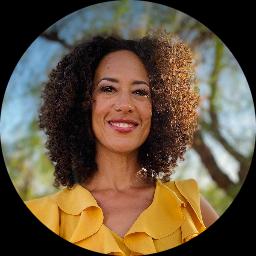
About Melissa
Melissa Taylor is an LCSW based in California who helps people cope with stress and anxiety, depression, bipolar disorder, addictions, trauma and abuse, grief, anger, low self-esteem, and major life changes. She aims to help people notice what is already working for them and build from those strengths. Her style is gentle and compassionate.
She meets people where they are and works at a pace they can manage. Sessions blend attention to thoughts, emotions, and body sensations so therapy feels whole-person rather than only talk.
Background and approach
Melissa uses practical tools from Cognitive Behavioral Therapy, Dialectical Behavior Therapy, and mindfulness to address daily challenges. She teaches skills for managing distress, shifting unhelpful thoughts, and improving emotional regulation. Exercises are offered in session and practiced between visits when useful.
She also brings somatic awareness into sessions, helping clients notice physical signals linked to stress and anxiety. That can mean simple breathing, grounding, or body-focused techniques to reduce tension and increase calm. With four years of clinical experience, Melissa focuses on clear, doable steps toward clients' goals.
She works collaboratively, so people help shape the focus of therapy. If someone wants change and healing, she offers steady support through the process.
Practical approaches for online care
Acceptance and Commitment Therapy helps people notice values and take action toward a meaningful life, even when uncomfortable thoughts or feelings show up. It can help with anxiety and getting unstuck from avoidance. Cognitive Behavioral Therapy focuses on the links between thoughts, feelings, and behaviors and teaches tools to shift unhelpful thinking and reduce symptoms of depression and anxiety. Dialectical Behavior Therapy offers concrete skills for managing intense emotions, improving distress tolerance, and strengthening interpersonal effectiveness. Choosing the right approach is a team effort. The therapist will work with each person to identify goals and try methods that feel like a good fit. Sessions can be adjusted over time so the plan stays aligned with what the client needs and prefers. Online formats make it easier to fit therapy into a busy life. Video calls allow face-to-face conversation and skill coaching. Phone sessions can be a good option when bandwidth is limited or for a shorter check-in. Live chat and text-based messaging let people send notes or get brief support between longer sessions. These options increase flexibility and make it simpler to keep regular contact with licensed professionals.Questions people ask
What concerns does she address?
How would you describe her therapeutic style?
What experience does she bring?
What are her credentials and location?
In what language are sessions offered?
Which session formats are available?
How does pricing work?
How do I begin working with her?
What this therapist works with
Most often
- Stress, Anxiety
- Bipolar disorder
- Depression
Also listed
Therapeutic approaches
- Experience
- 4 years
- Licensed
- California
- Languages
- English
We will earn a commission if you sign up through our link, at no cost to you.