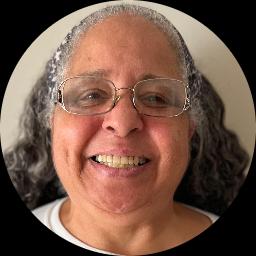
About Mary
Mary Mcfarland-Norris is a Licensed Independent Clinical Social Worker (LICSW) with twenty years of practice based in Alabama. She offers telehealth sessions across the state and helps adults navigate anxiety, stress, depression, and major life changes. Her manner is calm and personable, and she focuses on building trust early in care.
Mary adapts her approach to fit each person. She commonly uses cognitive behavioral therapy (CBT) and Acceptance and Commitment Therapy (ACT) to help people understand how thoughts and actions connect.
Background and approach
Sessions typically begin with questions about feelings and daily life so she can get a clear picture of what is happening. She helps people set realistic goals and track progress step by step. That work can include practicing new coping skills, shifting unhelpful thinking patterns, and experimenting with behaviors that support wellbeing.
She prioritizes listening first and avoids making assumptions about a person’s experience. Mary also supports people facing grief, trauma and abuse, relationship and intimacy concerns, sleep and eating struggles, parenting strain, career stress, and compassion fatigue. Additional focus areas include first responder issues, hospice and end-of-life counseling, veteran and armed forces issues, and multicultural concerns.
Her communication style is steady and nonjudgmental. New clients can expect a collaborative tone aimed at finding small, achievable steps that lead to meaningful change.
Therapeutic approaches for online care
Acceptance and Commitment Therapy (ACT) focuses on helping people notice thoughts and feelings without getting stuck in them. It uses values-based goals so people can take meaningful action even when emotions are difficult. Cognitive Behavioral Therapy (CBT) looks at the link between thoughts, feelings, and behaviors and teaches practical skills to change patterns that cause distress.Finding the right approach is part of the work. Mary will talk with each person about goals, preferences, and what has helped or not helped in the past. Together they decide which methods to try and adjust the plan as progress is made or new needs appear.
Online sessions can be scheduled as video calls, phone sessions, live chat, or text-based messaging. Video calls are useful for a face-to-face conversation and for practicing skills in real time. Phone sessions work when less bandwidth is available or when clients prefer not to be on camera. Live chat and text messaging support brief check-ins, quick coaching, or ongoing tracking between longer appointments. These options make therapy more flexible and easier to fit into a busy life.
Questions people ask
What kinds of problems does she help with?
How would you describe her therapy style?
What is her clinical background?
Where is she licensed and based?
Which languages are available for sessions?
Can people from other countries work with her?
What session formats are offered?
How do fees and scheduling work?
What this therapist works with
Most often
- Family conflicts
- Grief
Also listed
- Anger management
- Bipolar disorder
- Career difficulties
- Compassion fatigue
- Coping with life changes
- Depression
- Eating disorders
- First responder issues
- Hospice and end-of-life counseling
- Intimacy-related issues
- Multicultural concerns
- Parenting issues
- Relationship issues
- Self esteem
- Sleeping disorders
- Stress, Anxiety
- Trauma and abuse
- Veteran and Armed Forces Issues
Therapeutic approaches
- Experience
- 20 years
- Licensed
- Alabama
- Languages
- English
We will earn a commission if you sign up through our link, at no cost to you.