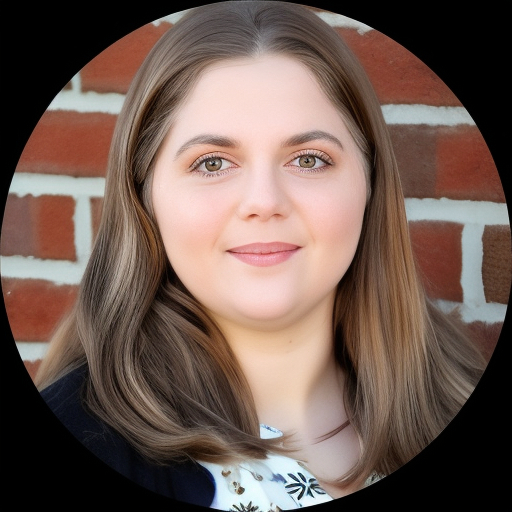
About Mary
Mary Baran is a Licensed Clinical Mental Health Counselor (LCMHC) practicing in North Carolina. She focuses on helping people who feel overwhelmed by anxiety, stress, depression, or big life changes. She also supports people from the LGBT community and those coping with grief, trauma, or low self-esteem.
Mary uses a warm, respectful style in sessions. She aims to make it easier to talk about painful things and to build practical ways to manage everyday stress.
Background and approach
Sessions are conversational and paced to each person’s needs. Her work includes client-centered therapy, which means sessions follow the client’s concerns and priorities. She also uses EMDR, an approach often applied when past events continue to cause distress.
These methods are used together to address symptoms like social anxiety, post-traumatic stress, seasonal mood shifts, and patterns of self-harm or self-criticism. Mary brings about ten years of clinical experience to her practice. She listens for what matters most to each person and uses that as the starting point for change.
The goal is steady progress, not quick fixes. Starting with her is a simple process: people complete a short matching questionnaire and schedule a first appointment. From there she works with each person to set goals and try approaches that fit their life and comfort level.
How client-centered work and EMDR translate to online therapy
Client-centered therapy focuses on listening and following what matters most to the person. Online sessions allow the therapist to reflect concerns, ask questions, and help clients set goals while meeting where it fits their day. EMDR, or Eye Movement Desensitization and Reprocessing, is used to address distress tied to past events by pairing focused attention with guided processing; it is often applied for trauma, post-traumatic stress, and persistent memories that cause anxiety.Deciding which approach to use is a team effort. The therapist will talk with each person about their goals, symptoms, and preferences. Together they try methods that feel like a fit and adjust as needed over time to find what helps most.
Online sessions are offered as video calls, phone sessions, live chat, or text-based messaging to make therapy flexible. Video sessions allow face-to-face conversation and visual cues. Phone sessions can be easier when bandwidth is limited or a shorter check-in is needed. Live chat and text messaging work well for brief check-ins, journaling between appointments, or people who prefer typing to speaking. These options help fit therapy into work breaks, school schedules, or busy family life.
Questions people ask
What concerns does this therapist help with?
What is Mary’s general therapy style?
How much clinical experience does she have?
What are her credentials and where is she located?
Which languages and international options are available?
What session formats does she offer?
How is cost handled for sessions?
What are the first steps to begin therapy?
What this therapist works with
Most often
Also listed
Therapeutic approaches
- Experience
- 10 years
- Licensed
- North Carolina
- Languages
- English
We will earn a commission if you sign up through our link, at no cost to you.