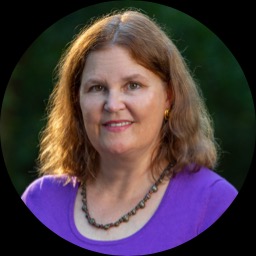
About Margaret
Margaret Amoss is a Licensed Professional Counselor who focuses on helping people manage stress and anxiety. She offers calm, steady support for those feeling overwhelmed by worry, panic, or low mood. Her style aims to make it easier to talk about difficult moments and to take small steps forward.
She works to build a trusting space where clients can share thoughts and feelings without judgment. Sessions focus on practical ways to cope with everyday pressure, improve self-esteem, and find clearer direction during life changes.
Background and approach
She emphasizes small, doable changes rather than big leaps. Margaret has 13 years of professional experience in Georgia as an LPC. That background includes helping people recover from trauma and abuse and cope with ongoing challenges like chronic illness, caregiver stress, and isolation.
She also addresses attachment and abandonment concerns that affect relationships and sense of self. In session she helps people work through panic symptoms, mood shifts, and feelings of guilt or shame. Conversations often cover communication problems, codependency, and finding purpose during midlife transitions.
The goal is to leave with clearer tools for daily life. She offers several online formats so people can choose what fits their routine. Margaret encourages clients to move at a comfortable pace and supports practical steps toward more steady coping and greater emotional balance.
Approaches that guide online care
Margaret uses evidence-based therapeutic techniques aimed at reducing symptoms and improving daily coping. One common approach focuses on teaching concrete coping skills for anxiety and panic - skills that help people notice triggers, slow down intense reactions, and regain a sense of control. Another approach centers on processing trauma and distress in manageable steps so painful memories feel less overwhelming and daily functioning improves.Choosing the right approach is a collaborative process. The therapist will talk with each person about their needs, goals, and preferences and then recommend techniques to try. They adjust the plan over time based on what is most helpful for the individual.
Online therapy offers flexible ways to meet. Video calls allow face-to-face conversation for deeper work, phone sessions can be easier when bandwidth is limited, live chat is useful for shorter check-ins, and text-based messaging supports ongoing reflection between sessions. These options make it easier to fit therapy into busy schedules and to keep momentum between meetings.
Questions people ask
What concerns does this therapist address?
How would you describe the therapeutic approach and style?
What is the therapist's background and experience?
What credentials and location are listed?
Which languages are supported and are international clients accepted?
What session formats are offered?
How is cost handled for sessions?
How do I begin working with this therapist?
What this therapist works with
Also listed
- Abandonment
- Attachment issues
- Caregiver issues and stress
- Chronic pain, illness, and disability
- Codependency
- Communication problems
- Control issues
- Coping with life changes
- Depression
- Guilt and shame
- Impulsivity
- Isolation / loneliness
- Life purpose
- Midlife crisis
- Mood disorders
- Panic disorder and panic attacks
- Post-traumatic stress
- Social anxiety and phobia
- Women's issues
- Experience
- 13 years
- Licensed
- Georgia
- Languages
- English
We will earn a commission if you sign up through our link, at no cost to you.