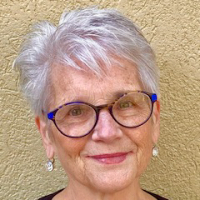
About Marcia
Marcia Schick is a Florida licensed clinical social worker with 46 years of practice supporting people through emotional ups and downs. She creates a warm, affirming space where clients can talk about what matters to them. Her work emphasizes practical steps and steady support rather than quick fixes.
Marcia focuses on common and painful concerns such as anxiety, stress, depression, and addiction. She also supports people facing relationship strain, grief, trauma and abuse, and struggles with self-esteem.
Background and approach
Her practice includes care for those navigating intimacy issues, eating concerns, bipolar mood challenges, and life transitions. She brings particular experience with LGBTQ+ issues and aims to honor each person’s identity without judgment. Her style is straightforward and collaborative.
She helps people notice strengths, set small goals, and build coping skills that fit daily life. Marcia uses evidence-based therapeutic techniques and tailors them to each person’s situation. Sessions focus on what is useful now - making plans, practicing skills, and checking progress.
Over a long career she has worked with many kinds of problems and keeps the work practical. If someone is considering therapy for anxiety, stress, relationship trouble, or recovery from trauma, Marcia offers steady guidance and listening. She meets clients where they are and helps them take manageable steps toward feeling better.
Therapeutic approaches and online care
Marcia uses evidence-based therapeutic techniques that focus on practical change. One common approach helps people learn specific coping skills for anxiety and stress - teaching breathing, grounding, and step-by-step behavior changes to reduce worry and improve daily functioning. Another approach emphasizes exploring emotions and past events in a measured way to reduce the impact of trauma and abuse and to improve mood and relationships.Finding the right approach is a collaborative process. Marcia listens to each person's goals, life circumstances, and preferences, then adapts methods that feel most helpful. Together they track progress and adjust plans when needed so the work stays focused on what matters to the client.
Online therapy is offered by video calls, phone sessions, live chat, or text-based messaging to give practical flexibility. Video lets people see and hear each other for fuller conversation. Phone sessions work well when bandwidth or camera use is limited. Live chat and messaging provide brief check-ins, reflections, or ongoing support between longer sessions. These options make it easier to fit therapy into work, school, or caregiving schedules and to keep momentum over time.
Questions people ask
What kinds of issues can I bring to therapy?
How would you describe the therapeutic style?
What background does the therapist have?
What credentials and location should I know about?
Are sessions available in languages other than English?
Which session formats are offered?
How does payment and cost work?
What are the first steps to begin therapy?
What this therapist works with
Most often
Also listed
- ADHD
- Anger management
- Bipolar disorder
- Coaching
- Coping with life changes
- Depression
- Eating disorders
- Family conflicts
- Grief
- Intimacy-related issues
- Relationship issues
- Self esteem
- Trauma and abuse
- Experience
- 46 years
- Licensed
- Florida
- Languages
- English
We will earn a commission if you sign up through our link, at no cost to you.