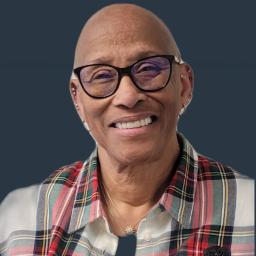
About Marcia
Dr. Marcia Cooke is a Licensed Marriage and Family Therapist with 24 years of clinical experience. She helps people who are dealing with stress, anxiety, depression, relationship strain, family conflict, and trauma.
Her style is warm and direct, and she aims to make the first steps feel doable for a worried parent reading on a phone. In sessions she listens closely and tailors conversations to each person's situation. She works with clients to identify unhelpful thoughts and patterns, and to build practical skills that ease daily stress.
Background and approach
She also addresses communication breakdowns and family of origin issues that often feed into current problems. Dr. Cooke draws on Cognitive Behavioral Therapy to change thought patterns and on Dialectical Behavior Therapy to teach emotion regulation and distress-tolerance skills.
She uses Motivational Interviewing when people feel stuck and Solution-Focused techniques to set achievable goals and track small wins. Her background includes many years working across clinical settings, and she holds LMFT licensure in multiple states while practicing from Oregon.
Over two decades of work have given her experience with mood disorders, social anxiety, workplace stress, veteran and armed forces issues, and young adult concerns. Her approach emphasizes respect, sensitivity, and compassion. Intake begins with a short conversation to learn what matters most to the client and to set clear, manageable steps for moving forward.
Approaches that translate well to online care
CBT, or Cognitive Behavioral Therapy, helps people notice and change thoughts and behaviors that increase anxiety and low mood. It often involves practical exercises and homework to try between sessions. DBT, or Dialectical Behavior Therapy, focuses on emotion regulation, distress tolerance, and better interpersonal skills; it can be useful when feelings feel overwhelming or when relationships are strained.Finding the right approach is part of the work together. The therapist will ask about your goals, daily routines, and what has or hasn't helped before, then suggest strategies and adjust them based on what fits your needs and preferences. This is a collaborative process where skills and pacing change as you progress.
Online formats include video calls, phone sessions, live chat, and text-based messaging, which let people fit therapy into busy schedules. Video calls are close to an in-person conversation. Phone sessions can be easier when less bandwidth is available. Live chat and text messaging are useful for brief check-ins, skill practice, or when a shorter touchpoint between sessions helps maintain progress.
Questions people ask
What concerns does she commonly address?
What is her therapeutic style like?
How long has she been practicing?
What credentials and region are listed?
Which languages are used in sessions?
What session formats are available?
How does cost work for sessions?
How do I begin working with her?
What this therapist works with
Most often
- Stress, Anxiety
- Relationship issues
- Family conflicts
Also listed
Therapeutic approaches
- Experience
- 24 years
- Licensed
- California, Oregon, South Carolina
- Languages
- English
We will earn a commission if you sign up through our link, at no cost to you.