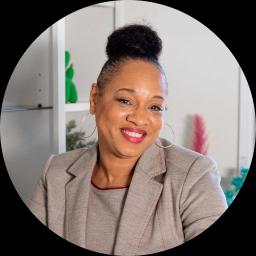
About Mallery
Mallery Higgs is a Licensed Professional Counselor (LPC) based in Georgia with eleven years of clinical experience. She brings a background in athletics, coaching, and mentoring to her counseling work. Mallery aims to help people manage stress, anxiety, depression, and life transitions in a straightforward, supportive way.
She trained in psychology and community counseling and has long experience mentoring young people and athletes. That background informs how she understands pressure, performance concerns, and identity issues.
Background and approach
She also frames care around multicultural awareness and respect for diverse experiences. In sessions she focuses on practical steps that people can use right away. She draws from client-centered methods to create a collaborative space.
Cognitive behavioral techniques are used when it makes sense to shift unhelpful thoughts and behaviors. Mallery pays attention to attachment, abandonment, control struggles, guilt, and shame. She helps people explore self-esteem and self-love so they feel more able to meet daily demands.
Her approach aims to break down barriers that get in the way of well-being and performance. People who choose her often want clear tools and a coach-like partner in therapy. She balances empathy with concrete strategies and tailors the plan to each person's needs.
The work is practical, patient, and focused on real-life change.
How her approaches translate to online care
Client-Centered Therapy emphasizes listening and tailoring the pace to each person. In this approach the therapist follows the client's lead, reflects feelings, and helps people find their own solutions. It’s useful for building trust and for exploring personal values and identity.Cognitive Behavioral Therapy, or CBT, focuses on identifying and changing unhelpful thoughts and behaviors. It uses practical exercises and homework to reduce anxiety, manage stress, and address low mood. CBT can be especially helpful when someone wants concrete tools to use between sessions.
Finding the right approach is part of the work together. The therapist will review goals, preferences, and what has or hasn’t helped in the past. Then she will suggest a blend of methods and adjust the plan as progress is made, keeping the client involved in those decisions.
Online therapy lets people access these approaches through video, phone, live chat, or text-based messaging. Video calls allow face-to-face conversation and visual cues. Phone sessions can be easier when bandwidth is limited. Live chat and text-based messaging offer brief check-ins and flexibility for busy schedules. These options make it simpler to fit therapy into work, school, or training routines while still using client-centered listening and evidence-informed techniques.
Questions people ask
What kinds of concerns does she address?
How would you describe her therapeutic style?
How much clinical experience does she have?
What credentials and location are on file?
Which languages are supported and are international clients accepted?
What session formats does she offer?
How is cost handled?
How do I begin working with her?
What this therapist works with
Also listed
Therapeutic approaches
- Experience
- 11 years
- Licensed
- Georgia
- Languages
- English
We will earn a commission if you sign up through our link, at no cost to you.