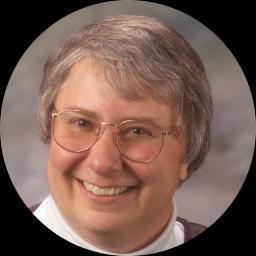
About M
M Jo Yeske-Bishop is a licensed professional counselor who helps people manage stress, anxiety, depression, and relationship concerns. She also supports those facing grief, parenting strain, compassion fatigue, and questions about life purpose and identity. Her work emphasizes helping clients live more meaningful and satisfying lives.
She offers a calm, nonjudgmental space where thoughts and feelings can be named and talked through. Conversations focus on practical steps people can try between sessions.
Background and approach
She adapts techniques to each person instead of using a single rigid method. Her approach draws on Acceptance and Commitment Therapy, Cognitive Behavioral Therapy, Client-Centered Therapy, and mindfulness practices. That mix lets her address mood disorders, codependency, family of origin issues, guilt and shame, and feelings of emptiness with tools suited to each concern.
Sessions may include values clarification, thought work, behavioral experiments, and present-moment awareness exercises. With 27 years of experience and an LPC credential, she brings long-term clinical perspective to the work. She describes herself as semi-retired and offers some flexible scheduling, including Wednesday afternoons and other times by arrangement.
She checks messages twice daily to coordinate appointments. Starting therapy is often hard to do, and she acknowledges that step. She aims to collaborate with each person to set goals and pick practical strategies that fit their life and priorities.
Flexible approaches for online anxiety and life work
Acceptance and Commitment Therapy (ACT) helps people clarify what matters most and take small steps toward those values. It teaches strategies to notice hard thoughts and feelings without getting stuck and is often useful for anxiety, life transitions, and questions about purpose.Cognitive Behavioral Therapy (CBT) focuses on identifying unhelpful thinking patterns and testing new behaviors. It uses straightforward exercises to reduce worry, shift mood, and build coping skills for stress and depression.
Choosing the right approach is part of the work. The therapist collaborates with each person to decide which methods to try based on their goals, preferences, and daily life. Plans can shift over time as needs change.
Online sessions offer many practical benefits. Video calls allow face-to-face conversation when visual cues help the work. Phone sessions can be easier when bandwidth is limited or a shorter check-in is needed. Live chat and text-based messaging make it possible to connect between sessions, share quick updates, or use brief exercises during a busy day. Together these options give flexibility for scheduling and for how people prefer to communicate.
Questions people ask
What concerns does she commonly address?
What is her therapeutic style like?
How much clinical experience does she have?
What credential and location are listed for this therapist?
Which languages are available for sessions?
Can people outside the United States work with her?
What session formats does she use?
How are costs and getting started handled?
What this therapist works with
Most often
- Stress, Anxiety
- Relationship issues
- Self esteem
Also listed
- Anger management
- Codependency
- Compassion fatigue
- Coping with life changes
- Depression
- Emptiness
- Family conflicts
- Family of origin issues
- Grief
- Guilt and shame
- LGBT
- Life purpose
- Midlife crisis
- Mood disorders
- Parenting issues
- Trauma and abuse
Therapeutic approaches
- Experience
- 27 years
- Licensed
- Wisconsin
- Languages
- English
We will earn a commission if you sign up through our link, at no cost to you.